




Introduction to Thai Mango Sweet Sticky Rice
What is Thai Mango Sweet Sticky Rice?
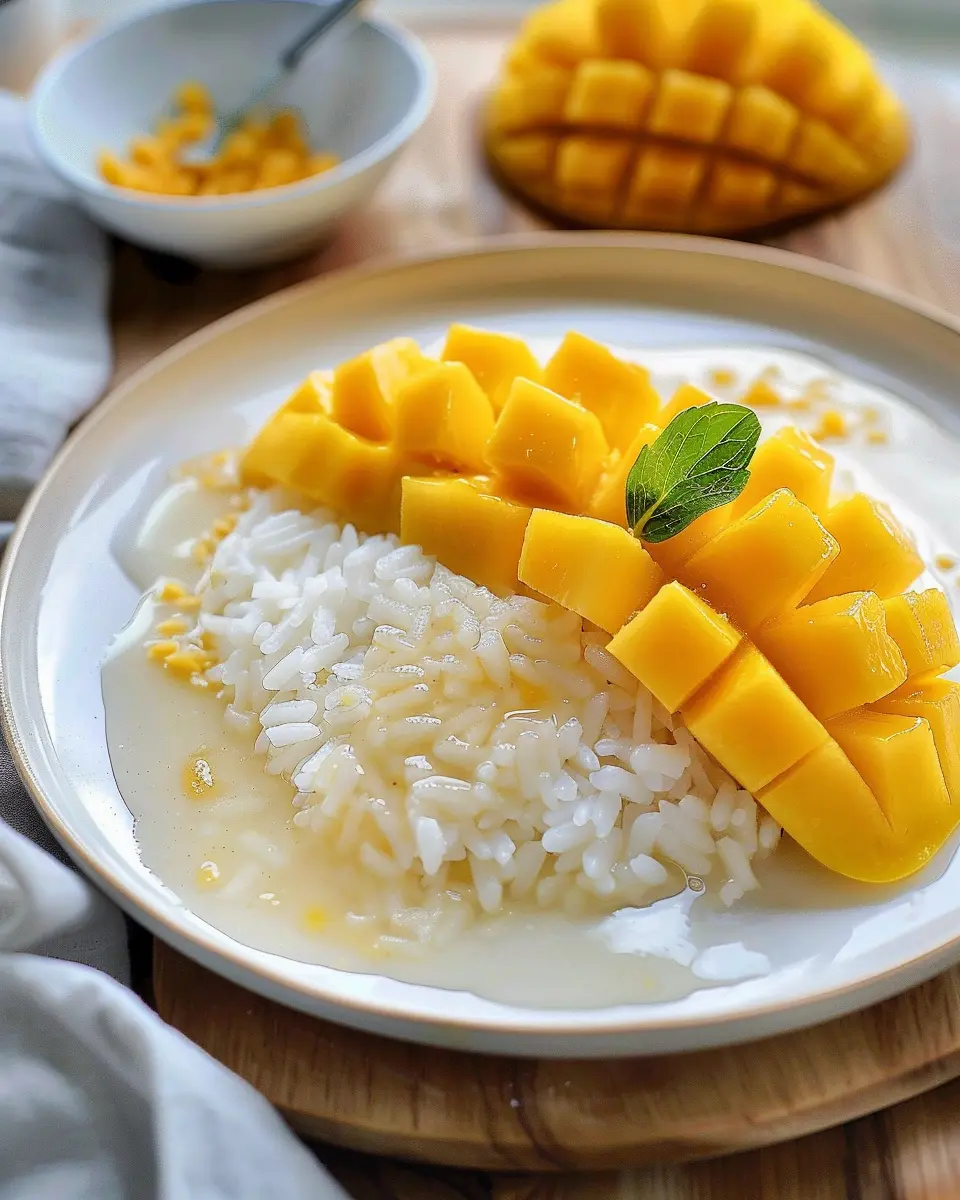
If you’ve ever wandered through a Thai market or dining spot, chances are you’ve come across Thai Mango Sweet Sticky Rice, a beloved dessert that captures the essence of Thailand in every bite. This dish, known as Khao Niew Mamuang in Thai, is a delightful treat combining the creaminess of coconut milk, the sweetness of ripe mangoes, and the unique texture of sticky rice. But there’s so much more to this dish than meets the eye!
At its core, Thai Mango Sweet Sticky Rice features glutinous rice, which is steamed to a perfect chewy consistency. The contrasting flavors are where the magic happens. The sticky rice is mixed with sweetened coconut milk, bringing a lusciousness that pairs beautifully with the fresh and fruity mango slices. It’s a classic that earned its rightful place not only in Thai cuisine but also in the hearts of dessert lovers around the world.
The best part? This dish is not just delicious—it’s also surprisingly easy to prepare. You can easily whip it up at home, impressing friends and family alike with your culinary skills. In fact, the ingredients are straightforward and generally easy to find at local grocery stores or Asian markets.
Curious about where to source these ingredients? You might want to check out online platforms like Thai Grocery or Asian Food Grocer for authentic options. Remember to look for the glutinous rice, which is essential for that authentic sticky texture.
Moreover, this dessert is perfect for various occasions. Whether you’re celebrating a special day, hosting a casual gathering, or just treating yourself after a long week at work, Thai Mango Sweet Sticky Rice is a superb choice. It’s not just a dessert; it’s an experience that brings moments of joy with every spoonful.
So why not bring a taste of Thailand right into your kitchen? With just a few simple steps, you’ll have a beautiful, mouthwatering dish that’s sure to impress. Let’s dive deeper and learn how to create this exquisite dessert that you’ll want to make again and again!
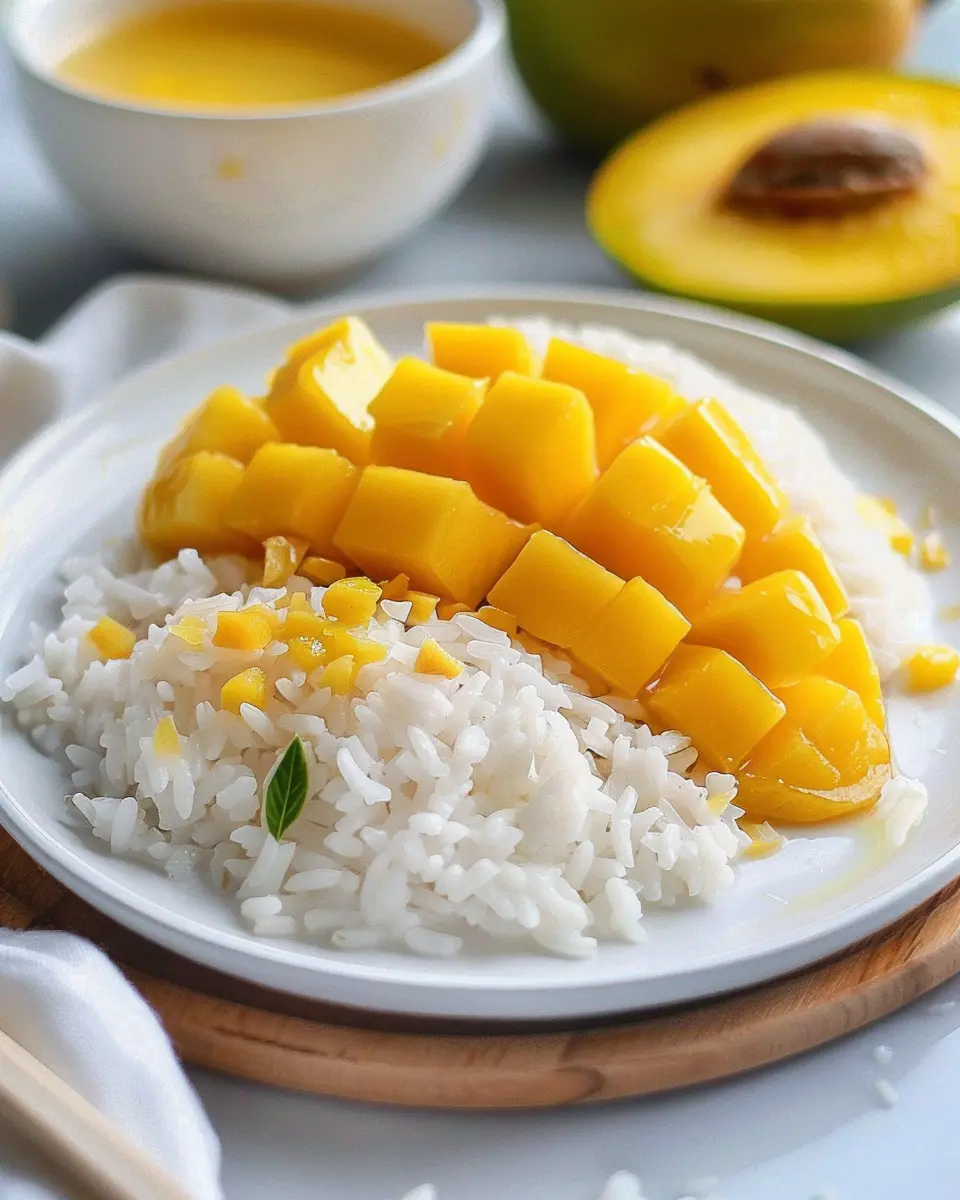
Ingredients for Thai Mango Sweet Sticky Rice
Creating your own Thai Mango Sweet Sticky Rice at home is not only delightful but also surprisingly simple! Here’s what you’ll need to gather for this delicious dessert:
Sticky Rice
- Glutinous rice: Typically, you’ll need 1 cup. This type of rice is essential for achieving that sweet, chewy texture.
Coconut Sauce
- Coconut milk: 1 cup, full-fat for richer flavor.
- Sugar: 1/3 cup, granulated or palm sugar works beautifully.
- Salt: A pinch to balance the sweetness.
Mango
- Ripe mangoes: 2 medium-sized, peeled and sliced. Look for those bright, fragrant ones in the market!
Garnish
- Sesame seeds or mung beans: Optional for an added crunch and visual appeal.
When selecting your ingredients, make sure to check out high-quality coconut milk brands like Thai Kitchen for the best flavor. And don’t forget to pick the ripest mangoes available at your local farmers’ market; they can make a world of difference.
With these simple ingredients, you are just a step away from enjoying this mouthwatering Thai treat!
Preparing Thai Mango Sweet Sticky Rice
If you’ve ever had the creamy delight of Thai mango sweet sticky rice, you know it’s a magical experience that takes your taste buds on a journey. And if you’re ready to make this irresistible dish at home, you’re in the right place! Don’t worry if you’re new to this; I’m here to guide you through each step, making it as simple and enjoyable as possible.
Soak the sticky rice
First off, let’s talk about the star ingredient: sticky rice. This is crucial for getting that perfect texture. Start by measuring out about 2 cups of glutinous rice. It’s important to use glutinous or sweet rice, which can often be found in Asian grocery stores or online. Here’s what to do:
- Rinse the rice under cold water until the water runs clear. This helps remove excess starch and prevents it from becoming too gluey.
- Soak the rice in water for at least 4 hours, or overnight if you can. An extended soak will lead to a softer and fluffier texture when it’s cooked.
Planning to impress your friends or family with this dish? Try soaking a day ahead—trust me, they’ll be wowed!
Steam the sticky rice
Once the sticky rice is soaked and fluffy, it’s time to cook it to perfection.
- Drain the rice and prepare a steamer. You can use a bamboo steamer lined with cheesecloth for an authentic touch or a metal steamer if that’s what you have on hand.
- Steam the rice for about 25-30 minutes, until it turns opaque and is tender. Give it a gentle stir halfway through to ensure even cooking.
While steaming, the aroma will start wafting through the kitchen, making it hard to resist tasting it before it’s even mixed with the sweet coconut milk.
Make the sweet coconut sauce
Now for the magic touch: the sweet coconut sauce that takes this dish over the top. Here’s a simple way to whip it up:
- In a saucepan, combine 1 cup of coconut milk with 1/2 cup of sugar and a pinch of salt.
- Heat gently, stirring until the sugar is dissolved, but don’t bring it to a boil. You want the creamy richness of the coconut milk to shine through.
- Reserve about 1/4 cup of this sauce to drizzle over the finished dish.
If you’re feeling adventurous, adding a few drops of pandan extract can give it a lovely green hue and enhance the flavor—definitely worth a try!
Combine ingredients
Once your sticky rice is cooked and the sauce is ready, it’s time to bring everything together:
- In a mixing bowl or a large pot, combine the steamed sticky rice with the remaining coconut sauce.
- Stir gently until the rice is fully coated, ensuring every grain is luscious and creamy. Let it sit for about 10 minutes, allowing the flavors to meld.
Picture this—your kitchen filled with warm, sweet scents. Are you ready to taste-test? I often sneak a small spoonful just to make sure everything is perfect—though, it’s hard not to eat it all!
Serve with fresh mangoes
The final touch makes all the difference. Serve your delicious sticky rice alongside ripe, juicy mango slices.
- Cut the mangoes into thin, elegant slices, revealing their vibrant color.
- Plate a generous serving of the coconut sticky rice, add the mango slices, and drizzle the reserved coconut sauce on top.
For an extra flair, garnish with toasted sesame seeds or a dash of coconut flakes to uplift the whole experience. And there you have it—your homemade Thai mango sweet sticky rice!
Not ready to try it just yet? You can explore more traditional Thai recipes at Thai Food Travel or check out essential cooking tips at Serious Eats. Happy cooking!
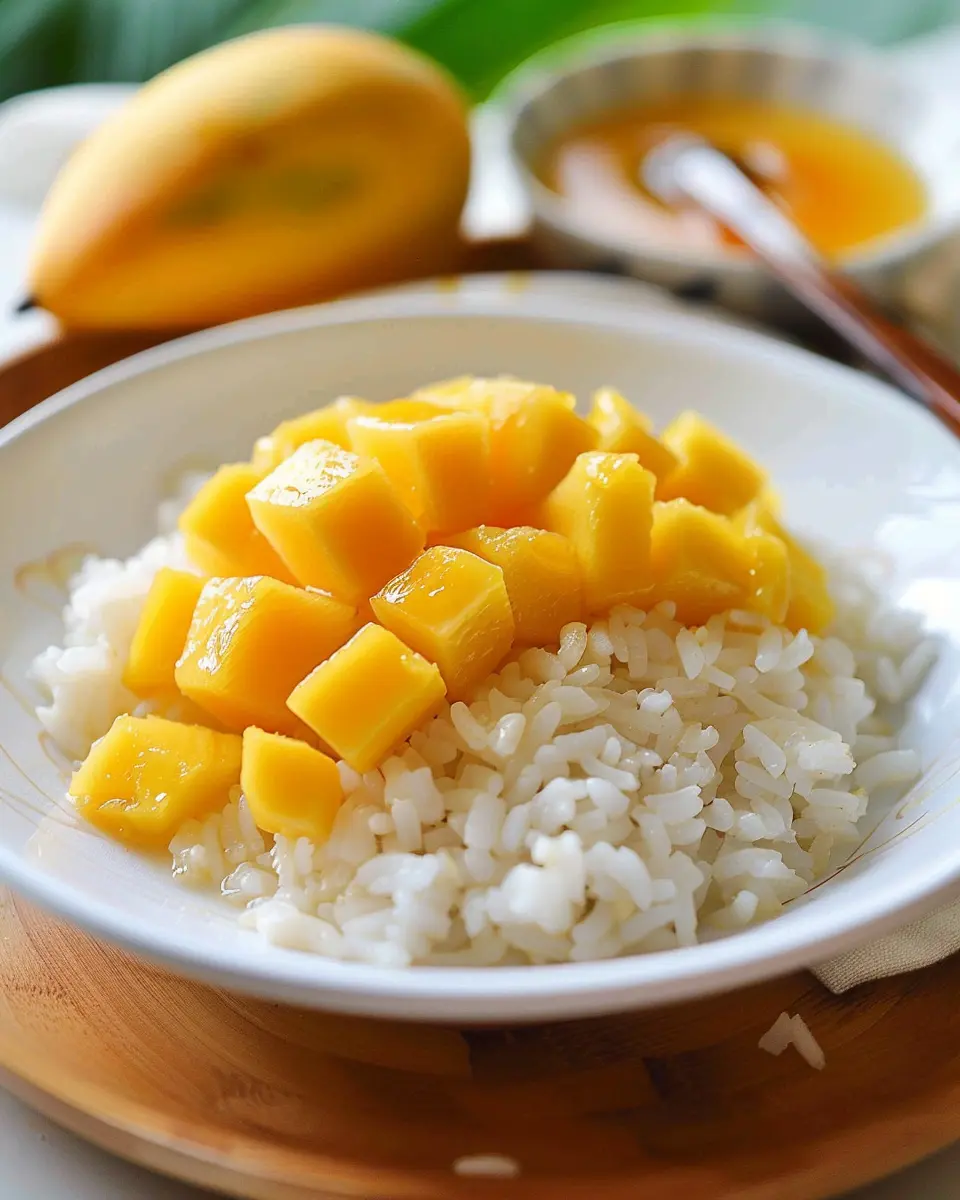
Variations on Thai Mango Sweet Sticky Rice
Add a twist with pandan flavor
One delightful variation on Thai mango sweet sticky rice is incorporating pandan flavor. This aromatic leaf, often used in Southeast Asian desserts, adds a subtle green hue and a unique taste that complements the sweetness of the mango and coconut. To make this twist:
- Brew a few pandan leaves in water before adding it to your coconut milk.
- This infusion not only enhances the flavor but also creates a gorgeous color contrast against the vibrant mango slices.
Imagine serving your guests this colorful dessert—it’s sure to impress! For more ideas on using pandan in sweet dishes, check out the tasty recipes offered by the USDA’s FoodData Central.
Use different tropical fruits
Why stop at mango? Exploring other tropical fruits can open up a treasure trove of flavors for your Thai mango sweet sticky rice experience. Here are a few ideas:
- Pineapple: The tartness of pineapple brings a refreshing zing. Simply cut into cubes and arrange atop your sticky rice.
- Papaya: Its subtle sweetness offers a nice contrast to the creaminess of the coconut sauce.
- Banana: Slice them thinly and serve alongside or mixed into the sticky rice, providing an additional layer of texture.
By experimenting with various fruits, you not only introduce new flavors but also incorporate the vibrant colors of the tropics, making your dish a visual feast. So, what will you choose for your next batch of Thai mango sweet sticky rice? The possibilities are truly endless!
Cooking Tips and Notes for Thai Mango Sweet Sticky Rice
Ensuring the Rice is Perfectly Sticky
To achieve the ideal texture for Thai mango sweet sticky rice, selecting the right variety of rice is crucial. Use glutinous rice, often labeled as “sweet rice,” as it has the necessary starch to achieve that desired stickiness. Soaking the rice for at least 4 hours or overnight will help it absorb the water, resulting in an ultra-sticky, satisfying texture. When cooking, steam rather than boil; this prevents the grains from becoming too waterlogged. A bamboo steamer works wonders for this!
Adjusting the Sweetness of the Sauce
The topping sauce can make or break your Thai mango sweet sticky rice. Start with a base of coconut milk and adjust to your taste by adding sugar or salt. Typically, a balance of sweetness and saltiness elevates the dish. If you’re unsure, taste as you go—this is key! You want the sauce to complement the sweetness of the mango without overpowering it. Remember, you can always thin out the sauce with a bit of water if it’s too thick.
For more tips on perfecting your Thai culinary skills, check out Serious Eats.
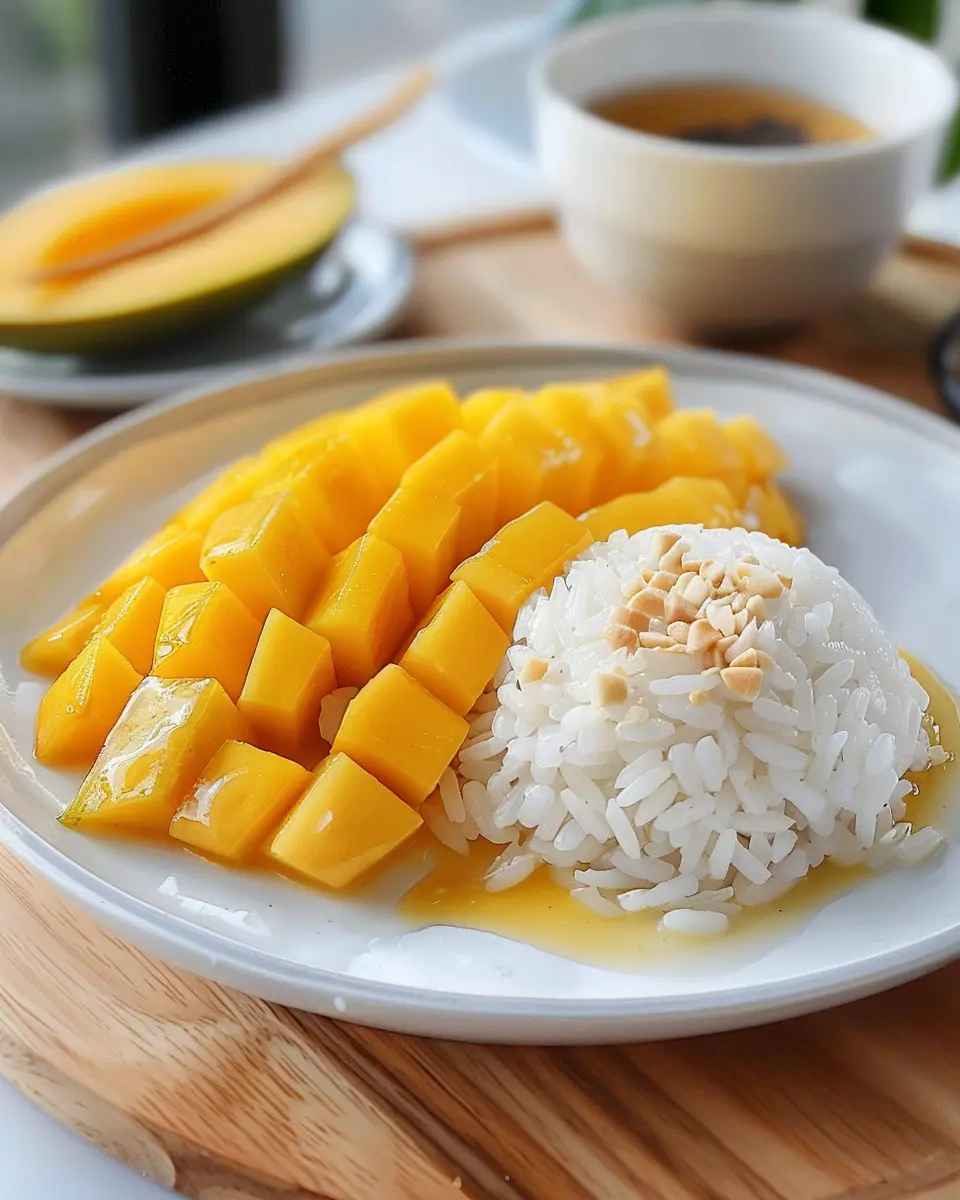
Serving suggestions for Thai Mango Sweet Sticky Rice
Pairing with other Southeast Asian desserts
When enjoying Thai Mango Sweet Sticky Rice, consider pairing it with other traditional Southeast Asian treats to enhance your dessert experience. Think about serving it alongside coconut custard or tapioca pudding, both of which bring complementary flavors and textures. Another delightful combination is with Tropical Fruit Salad, where the freshness of fruits like pineapple, papaya, and lychee adds a splendid crunch to the creamy sticky rice.
Creative serving ideas
Get creative with your presentation! You could serve Thai Mango Sweet Sticky Rice in individual bowls or even in coconut shells for a rustic touch. Try layering it with whipped coconut cream or a drizzle of mango puree for an eye-catching twist. Another fun idea is to form the sticky rice into small cakes and top them with fresh mango slices for an elegant dessert that guests will love.
Looking for something different? Experiment with garnishes like sesame seeds or mint for an extra pop of flavor. You can even check out resources like Serious Eats for more innovative uses of this classic dish. Enjoying this recipe in various ways will certainly elevate your dining experience!
Time breakdown for Thai Mango Sweet Sticky Rice
Preparation time
Getting everything ready for your Thai Mango Sweet Sticky Rice is quick and simple. All you need is about 15 minutes to gather your ingredients, wash the sticky rice, and slice those luscious mangoes.
Cooking time
Once your ingredients are prepped, the cooking part takes around 30 minutes. You’ll be steaming that fragrant sticky rice while preparing the coconut sauce, which is truly the star of the dish!
Total time
All in all, you’re looking at a total of about 45 minutes from start to finish. This means you can whip up this delightful dessert in no time and impress your friends with your culinary skills!
For more tips on making the perfect sticky rice, check out Serious Eats for expert insights and techniques. The joy of cooking Thai Mango Sweet Sticky Rice awaits you—get ready to dig in!
Nutritional Facts for Thai Mango Sweet Sticky Rice
When indulging in the delightful taste of Thai Mango Sweet Sticky Rice, it’s helpful to understand its nutritional profile. This dessert is not only a treat for the taste buds but also provides essential nutrients.
Calories
A standard serving of Thai Mango Sweet Sticky Rice contains approximately 250-300 calories. While it’s rich in flavor, moderation is key to enjoying this sweet treat guilt-free.
Carbohydrates
Carbohydrates in Thai Mango Sweet Sticky Rice are primarily derived from glutinous rice, making up about 50-60 grams per serving. This makes it a great source of energy, especially after a busy day.
Vitamins and Minerals
This dessert offers a variety of vitamins and minerals:
- Vitamin A: Found in mango, it contributes to good vision.
- Vitamin C: Supports immune function and skin health.
- Iron and Magnesium: Present in rice, these minerals play vital roles in overall health.
For more in-depth nutritional insights, check out Healthline’s breakdown on the benefits of mangoes and rice. Enjoy your Thai Mango Sweet Sticky Rice while feeling informed about its nutritional value!
FAQs about Thai Mango Sweet Sticky Rice
If you’re venturing into the delightful world of Thai mango sweet sticky rice, you might have a few questions. Here are some common queries to help make your cooking experience a breeze!
Can I use regular rice instead of glutinous rice?
It’s tempting, but glutinous rice is key to achieving that signature chewy texture of Thai mango sweet sticky rice. Regular rice just won’t replicate the stickiness. If you can’t find glutinous rice, consider alternatives like sushi rice, which has a similar stickiness, though the flavor and overall experience might differ slightly.
What can I replace the sugar with?
If you’re looking to cut back on sugar, there are plenty of substitutes! Coconut sugar is a fantastic option, offering a rich flavor that complements the sticky rice beautifully. If you prefer a low-calorie alternative, consider using stevia or monk fruit sweetener, but be mindful of adjusting the amount to avoid any bitter aftertastes.
How can I store leftover sticky rice?
Storing your Thai mango sweet sticky rice is straightforward. First, let it cool completely before transferring it to an airtight container. You can store it in the fridge for about 3-4 days. If you want to keep it longer, consider freezing it. Just make sure to wrap it well to avoid freezer burn. When you’re ready to enjoy it again, simply re-steam or microwave it with a bit of water to regain that lovely stickiness!
Don’t hesitate to check out other resources for tips on preserving rice dishes, such as The Kitchn for more insights! Is there anything else you’re curious about regarding this delicious Thai treat?
Conclusion on Thai Mango Sweet Sticky Rice
In conclusion, Thai mango sweet sticky rice is not just a dessert; it’s an experience that transports you to the vibrant streets of Thailand with every bite. The combination of creamy coconut milk over chewy sticky rice paired with fresh, ripe mango creates a delightful balance of sweetness and texture. Whether you’re indulging in this dish at a local market or preparing it at home for friends, it never fails to impress.
So why not take a step into the world of Thai cuisine? Try making this iconic dessert yourself. Explore the joy of cooking with fresh ingredients, and you’ll find that it’s not just about the food; it’s about creating memorable moments over a shared dish. For more authentic recipes and insights into Thai flavors, check out resources like Serious Eats or BBC Good Food. Happy cooking!
PrintThai Mango Sweet Sticky Rice: The Best Dessert You’ll Ever Make
The perfect blend of sweet mango and sticky rice, this dessert is a must-try for any occasion.
- Prep Time: 20 minutes
- Cook Time: 30 minutes
- Total Time: 4 hours 50 minutes
- Yield: 4 servings
- Category: Dessert
- Method: Steaming
- Cuisine: Thai
- Diet: Vegetarian
Ingredients
- 1 cup glutinous rice
- 1 cup coconut milk
- 1/2 cup sugar
- 1/4 teaspoon salt
- 2 ripe mangoes
- 1 tablespoon sesame seeds (optional)
Instructions
- Rinse the glutinous rice under cold water until the water runs clear.
- Soak the rice in water for at least 4 hours or overnight.
- Drain the rice and steam it in a bamboo or regular steamer for about 30 minutes.
- In a saucepan, heat the coconut milk, sugar, and salt over low heat until the sugar has dissolved.
- Once the rice is cooked, mix it with half of the coconut milk mixture and let it sit for 30 minutes.
- Peel and slice the mangoes.
- To serve, place a portion of sweet sticky rice on a plate, top with mango slices, and drizzle with the remaining coconut milk mixture.
- Sprinkle sesame seeds on top if desired.
Notes
- For a richer flavor, use full-fat coconut milk.
- Adjust sugar according to your sweetness preference.
Nutrition
- Serving Size: 1 serving
- Calories: 300
- Sugar: 10g
- Sodium: 200mg
- Fat: 15g
- Saturated Fat: 13g
- Unsaturated Fat: 2g
- Trans Fat: 0g
- Carbohydrates: 40g
- Fiber: 2g
- Protein: 4g
- Cholesterol: 0mg