




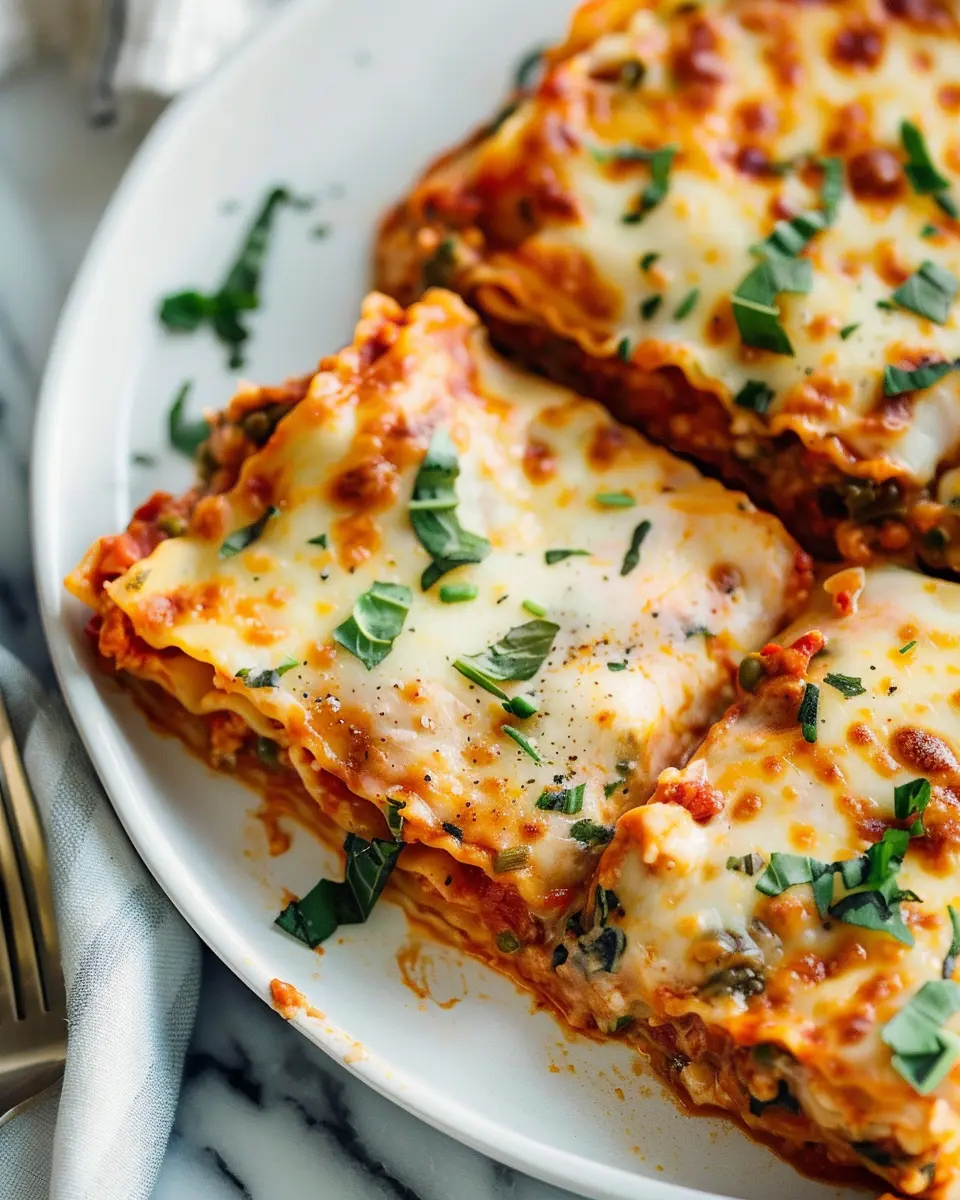
Introduction to the Best Vegetable Lasagna
Finding the perfect weeknight dish can be a daunting task for busy young professionals. Enter homemade vegetable lasagna, a delicious and nutritious option that’s about to become your new best friend in the kitchen. Not only is it satisfying, but it’s also a fantastic way to pack in the veggies—something many of us struggle with during our hectic lives.
So why is making your own vegetable lasagna such a game changer? For starters, it allows you to control the ingredients, freeing you from the often overwhelming and sometimes dubious options in pre-packaged meals. You get to choose fresh produce from your local market and incorporate rich flavors, ensuring your dish is not just healthy, but irresistible. Websites like VegetableGardener.com provide helpful tips for selecting seasonal ingredients, which can amplify the freshness of your lasagna.
Beyond the obvious health benefits, preparing the best vegetable lasagna is a wonderful culinary adventure! It offers a perfect blend of textures and flavors, as you layer roasted vegetables, creamy ricotta cheese, and zesty marinara sauce. Plus, there’s a certain joy in the cooking process—many find that making a meal from scratch can be a great stress reliever after a long day.
If you’re like many young professionals juggling work, social commitments, and maybe even a side hustle, you might have experienced meal fatigue. The great news is that this vegetable lasagna recipe is not only simple to make, but it also freezes beautifully. Prepare a big batch over the weekend, and you will have quick, hearty portions ready to pop in the oven on those nights when you crave comfort without compromising on health.
Engaging in the act of cooking can also foster creativity and mindfulness. Instead of scrolling through social media during lunch breaks or downtime, why not whip up some tasty vegetable lasagna and share it with friends? Cooking together can enhance relationships as you bond over chopping, mixing, and cooking—creating not just a meal, but memories too.
In short, embracing the best vegetable lasagna elevates your dining experience, keeping your taste buds excited while fueling your body with nutritious goodness. Let’s get started on this mouthwatering journey!
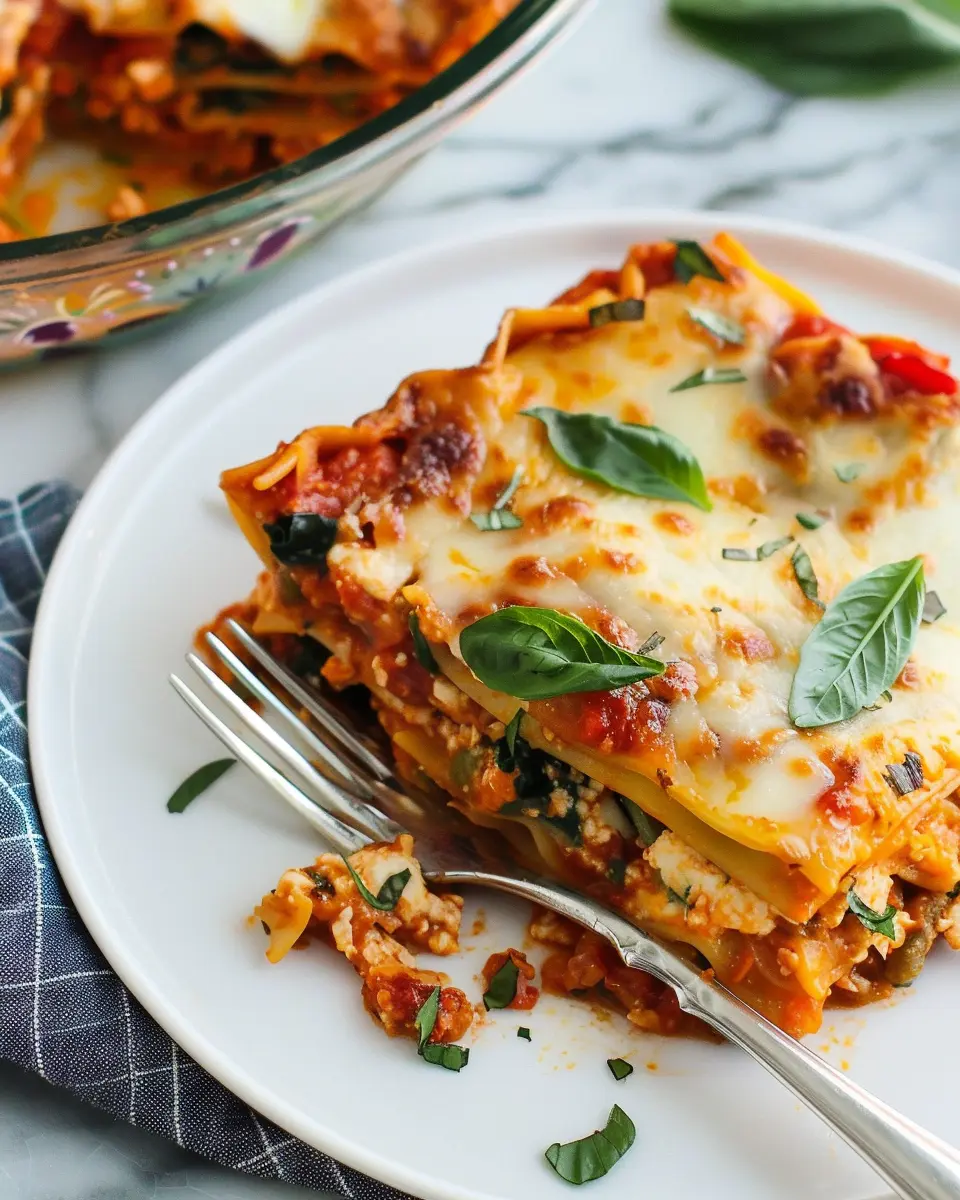
Ingredients for the Best Vegetable Lasagna
Creating the best vegetable lasagna isn’t just about layering pasta and sauce; it’s about choosing the right ingredients for a flavor explosion.
Fresh vegetables to elevate your lasagna
The heart of any memorable vegetable lasagna lies in the fresh produce you select. Aim for a mix of vibrant veggies that not only add color but also texture. Consider these options:
- Spinach
- Zucchini
- Bell peppers
- Mushrooms
- Eggplant
- Carrots
These vegetables not only provide essential nutrients but also ensure that your dish is brimming with freshness. Pro tip: Try roasting your veggies lightly before layering for an added depth of flavor.
Essential pantry staples for the sauce
A robust sauce can make or break your best vegetable lasagna. Stock your pantry with these essentials:
- Canned crushed tomatoes
- Tomato paste
- Garlic
- Onion
- Italian herbs (like basil and oregano)
These ingredients create a rich, savory backdrop that beautifully complements the vegetables. For a little extra kick, add a pinch of red chili flakes!
Extra ingredients for a creamy texture
To achieve that luxurious and creamy finish we all love in lasagna, consider incorporating:
- Ricotta cheese
- Fresh mozzarella
- Parmesan cheese
These dairy products help bind the layers together while lending a smooth, decadent mouthfeel. If you’re looking for a lighter option, consider using low-fat cheeses without compromising on taste.
Now that you have a solid foundation of ingredients, you’re just a few steps away from crafting your best vegetable lasagna masterpiece. Get ready to amaze your taste buds!
Step-by-Step Preparation of the Best Vegetable Lasagna
Creating the best vegetable lasagna is not just about following a recipe; it’s about enjoying the process and letting your creativity shine in the kitchen. This guide will walk you through each delightful step, ensuring that your lasagna is the star of your dinner table. Let’s get started!
Preheat the oven and prepare your workspace
Before embarking on this culinary journey, take a moment to prep your workspace. A clean and organized kitchen makes cooking more enjoyable and less stressful. Start by preheating your oven to 375°F (190°C). This step is crucial, as a hot oven ensures even cooking.
Next, gather all your ingredients: lasagna noodles, a variety of vegetables (think spinach, zucchini, and bell peppers), cottage cheese, and mozzarella. Don’t forget your spices like oregano and basil to elevate your dish! Having everything at hand allows you to focus on cooking rather than constantly running to grab something mid-preparation.
Sauté the vegetables to perfection
Here comes the fun part—sautéing those vibrant veggies! In a large skillet, heat a tablespoon of olive oil over medium heat. Add chopped onions and let them sauté until they’re translucent, which usually takes about 3-4 minutes. Toss in the diced garlic, and let the aroma fill your kitchen for about 30 seconds.
Next, add your chosen vegetables:
- Spinach
- Zucchini, sliced
- Bell peppers, chopped
Stir occasionally and cook until the veggies are slightly tender but still crisp—about 5-7 minutes. Not only does this step enhance the flavors, but you’re also creating a wonderful melody of colors in your pan.
Create a delicious homemade tomato sauce
Now, let’s whip up a mouthwatering tomato sauce that will be the heart of your best vegetable lasagna. In a medium saucepan, add a can of crushed tomatoes, a tablespoon of tomato paste, and season with salt, pepper, oregano, and basil. If you prefer some kick, feel free to add a pinch of red pepper flakes.
Let the sauce simmer for about 15 minutes—this allows the flavors to meld beautifully. Not only does a homemade sauce taste better, but it’s also free from preservatives, making your lasagna healthier.
Blend the cottage cheese and mix in veggies
While your sauce simmers, let’s prepare the filling. In a bowl, combine 15 ounces of cottage cheese with an egg (for creaminess) and a pinch of salt and pepper. If you’re feeling adventurous, try adding some of your sautéed vegetables to this mixture for an added boost of flavor and nutrition.
This step is essential, as it not only adds protein but also helps bind everything together in your best vegetable lasagna.
Assemble the lasagna in layers
Now for the exciting part—putting it all together! In a 9×13 inch baking dish, spread a layer of your tomato sauce on the bottom.
Start layering:
- Noodles (don’t worry if they overlap)
- Cottage cheese mixture
- Sautéed vegetables
- More sauce
- A sprinkle of mozzarella cheese
Repeat these layers until you run out of ingredients, finishing with a generous layer of mozzarella cheese on top. Cover with foil to keep it moist while it bakes.
Bake and let it set before serving
Finally, it’s time to bake your masterpiece! Place the lasagna in the preheated oven, covered with foil, and bake for 30-35 minutes. After that, remove the foil and let it bake for an additional 10-15 minutes until the cheese bubbles and forms a beautiful golden crust.
After baking, be sure to let your lasagna rest for about 15 minutes before slicing. This waiting period helps it set and makes serving much cleaner—trust me, waiting is worth it!
Now you’re all set to serve the best vegetable lasagna! Simply pair it with a fresh salad or some garlic bread for a complete meal. What’s better than sharing a home-cooked meal with friends and family? Enjoy!
Variations on the Best Vegetable Lasagna
Gluten-free Adaptations for Everyone
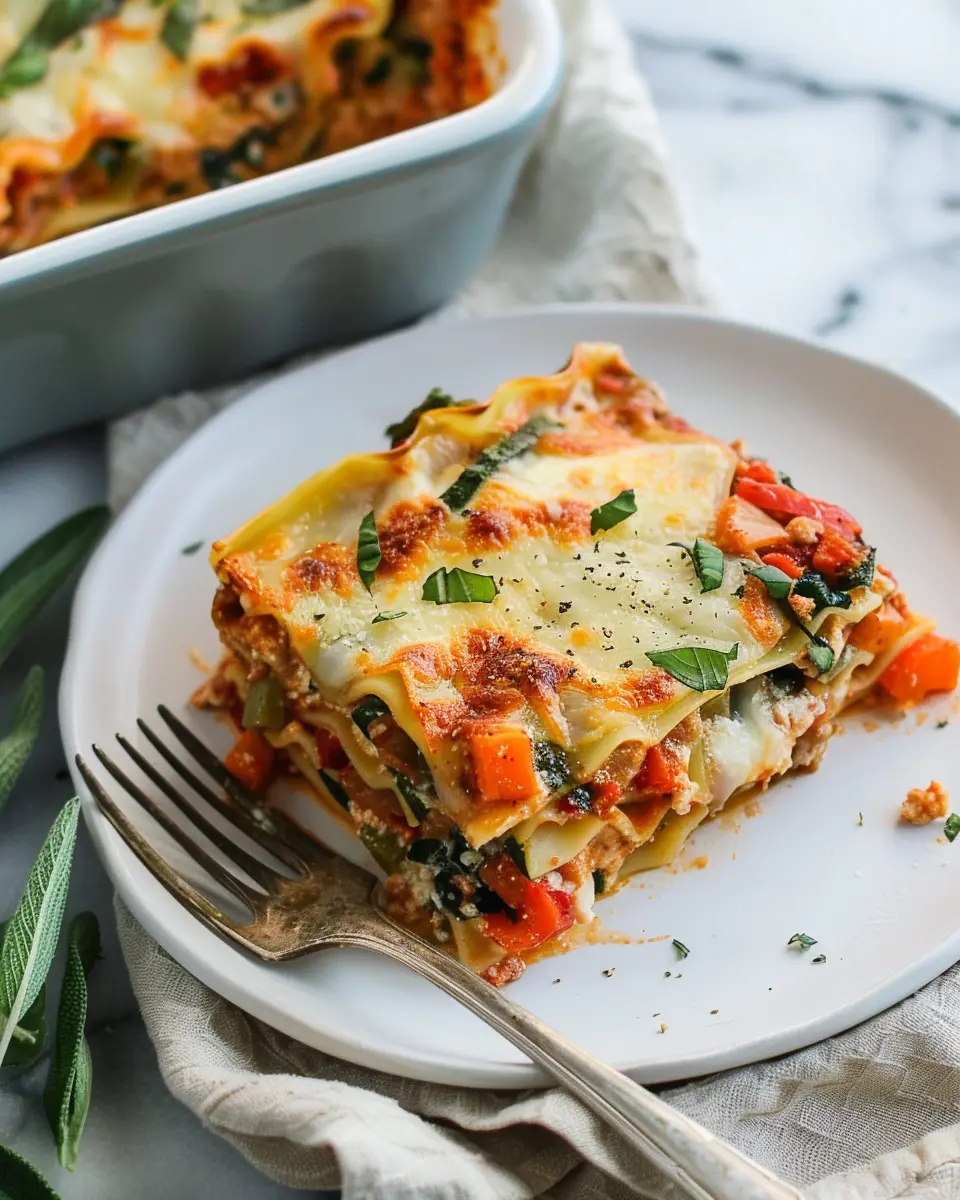
Navigating dietary requirements doesn’t mean sacrificing flavor. For a gluten-free twist on the best vegetable lasagna, simply substitute traditional pasta with gluten-free options like zucchini noodles, or store-bought gluten-free lasagna sheets. Not only do these alternatives keep your dish friendly for those with celiac disease, but they also add an exciting twist to the texture. Pair with a robust marinara sauce, like this homemade recipe for the perfect complement.
Creative Vegetable Substitutes for Different Flavors
When making the best vegetable lasagna, think beyond the ordinary. Try incorporating roasted red peppers or artichoke hearts for a Mediterranean flair. Sweet potatoes layered between the pasta sheets add sweetness and nutrition, while kale can replace spinach for a bolder taste. You could also explore using mushrooms, which contribute a meaty texture and umami richness. Check out seasonal vegetable guides to inspire your combinations (USDA Seasonal Produce).
Vegan Options for a Plant-Based Delight
Vegetable lasagna is incredibly versatile and can easily be transformed into a vegan masterpiece. Swap out dairy products for plant-based alternatives: cashew cream makes a perfect ricotta substitute, while almond or soy milk can enrich your béchamel sauce. Don’t shy away from experimenting with nutritional yeast to introduce a cheesy flavor without dairy. If you’re a fan of fresh flavors, incorporate lots of herbs and spices to elevate your dish, and delight any plant-based palates around your table.
With these variations, the best vegetable lasagna is sure to become a household favorite, accommodating guests of all dietary preferences. Happy cooking!
Cooking Tips and Notes for the Best Vegetable Lasagna
Selecting the Right Lasagna Noodles
Choosing the right noodles is essential for crafting the best vegetable lasagna. Opt for no-boil lasagna noodles for a quicker prep time, or traditional ones for a classic texture. If using traditional, be sure to cook them al dente; this prevents sogginess when layered with sauce. Fresh noodles are also a fantastic option, lending a delightful bite to your dish.
Ensuring Even Cooking and Great Texture
To achieve that perfect, bubbling layer of lasagna, consider these tips for even cooking:
- Layer Wisely: Start with sauce at the bottom to prevent sticking, followed by a mix of roasted vegetables, ricotta, and mozzarella.
- Don’t Overcrowd: Keep layers thin for uniform cooking. An overstuffed lasagna can lead to uneven results.
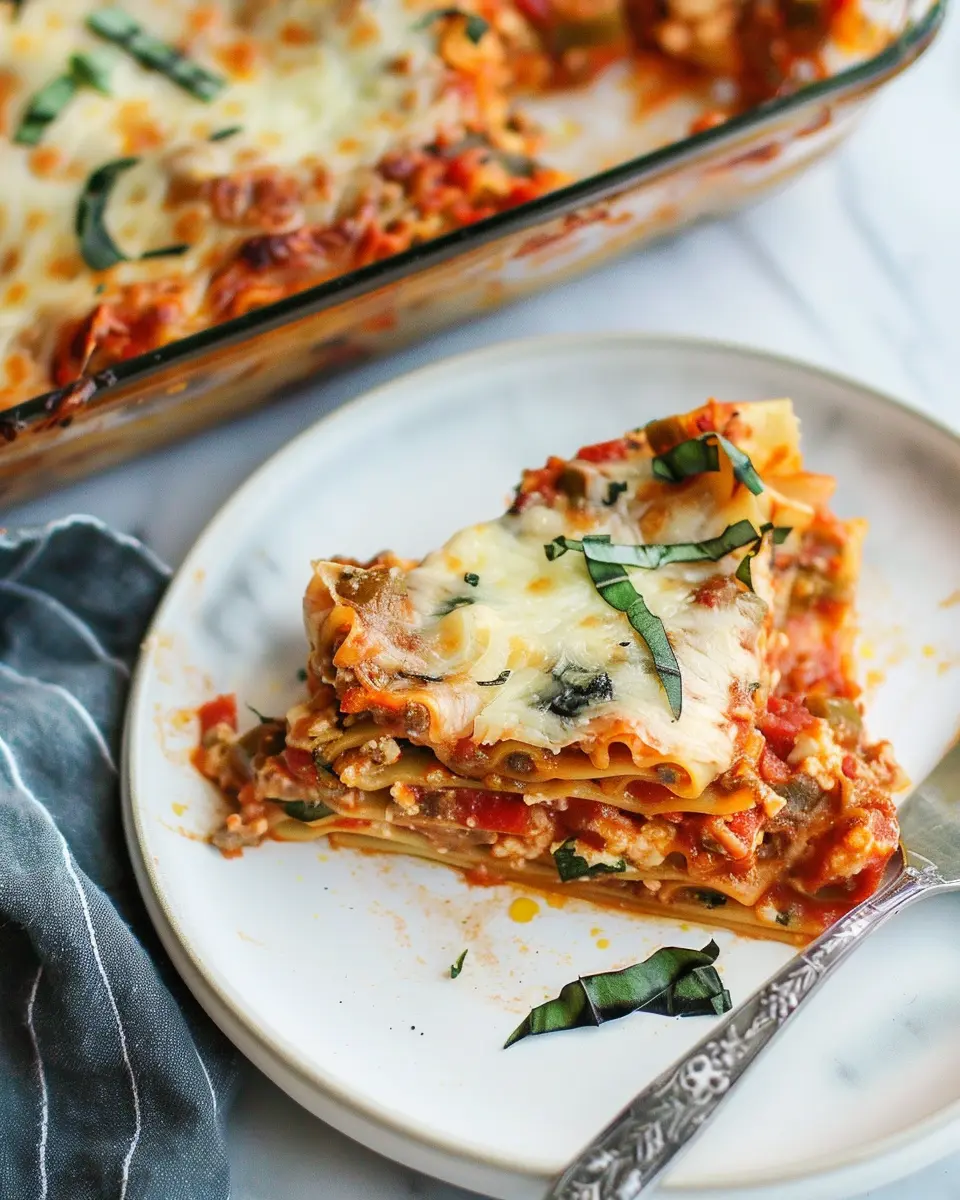
- Let It Rest: After baking, allow the lasagna to cool for about 15 minutes before slicing. This resting time helps set the layers, ensuring each slice holds its shape beautifully.
Have you explored different vegetable combinations? Roasted zucchini, bell peppers, and spinach can elevate the flavor profile significantly. For more tips, check out this guide on lasagna variations. The journey to your best vegetable lasagna starts with thoughtful preparation!
Serving Suggestions for the Best Vegetable Lasagna
Complementary sides for a complete meal
When enjoying your best vegetable lasagna, think about adding a few sides that enhance its delicious flavors. A fresh, crisp side salad with mixed greens, cherry tomatoes, and a zesty vinaigrette can elevate the dish to a new level. You might also consider serving garlic bread on the side—who can resist that buttery goodness?
If you’re looking to spice things up, roasted vegetables seasoned with herbs can provide a lovely contrast. Plus, they echo the wholesome ingredients in your lasagna. For more ideas on salads and sides, check out EatingWell’s website for fresh inspiration.
Perfect pairings for the ultimate dining experience
To truly elevate your best vegetable lasagna dinner, consider pairing it with a sparkling non-alcoholic beverage, like sparkling water infused with lemon or a refreshing herbal iced tea. These choices will complement the lasagna’s richness without overwhelming the palate.
Lastly, set the table with your favorite dinnerware or even some candles to create a cozy atmosphere. After all, good food deserves a delightful ambiance! Reflecting on a dinner party I hosted, the compliments flowed just as freely as the laugh—it’s all about creating an experience, not just a meal.
Time Breakdown for Making the Best Vegetable Lasagna
Preparation Time
Getting everything ready to create the best vegetable lasagna will take about 30 minutes. This is when you’ll chop your veggies, measure your ingredients, and prep your baking dish. It’s your time to get creative—think colorful layers!
Cooking Time
Once you’re all set, the cooking part will take roughly 45 minutes. You’ll need about 30 minutes for baking to ensure everything melds beautifully together, plus some time for sautéing your vegetables. Patience here pays off!
Total Time
All in all, you’re looking at around 1 hour and 15 minutes from start to finish. This is a perfect weekend project that results in delightful leftovers throughout the week! Trust me; your effort will be rewarded. For tips on storage, check out this helpful guide. Enjoy your cooking adventure!
Nutritional Facts of the Best Vegetable Lasagna
Calories per serving
A generous serving of the best vegetable lasagna typically contains around 300-400 calories. This makes it a satisfying yet nutritious option for lunch or dinner, keeping you energized without weighing you down.
Key nutrients to fuel your day
One of the great things about the best vegetable lasagna is its wealth of nutrients. Packed with vitamins like A and C from seasonal vegetables, it also includes:
- Fiber: Aids digestion and helps you feel full longer.
- Protein: Essential for muscle repair, provided by cheese and plant-based proteins.
- Calcium: Supports bone health, courtesy of the mozzarella and ricotta.
With its rich nutrient profile, this dish forms a balanced meal, perfect for busy young professionals looking to maintain their health. For more insights on nutrition, check out Healthline’s guide on fiber.
This vegetable lasagna doesn’t just satisfy your taste buds; it supports your overall well-being too!
FAQs about the Best Vegetable Lasagna
When it comes to creating the best vegetable lasagna, you may have some common questions. Let’s address a few FAQs to help you out!
Can I make vegetable lasagna ahead of time?
Absolutely! Making lasagna ahead of time is a fantastic way to enjoy this dish without the hassle of preparation on a busy day. You can assemble the lasagna and refrigerate it for up to 24 hours before baking. Alternatively, you can freeze it for longer storage—just be sure to wrap it well in plastic wrap and then foil. When you’re ready to bake, let it thaw in the fridge overnight and then cook as directed.
What are the best storage practices for leftovers?
Storing leftover best vegetable lasagna correctly will ensure it stays fresh and delicious. Here are some simple tips:
- Cool It Down: Let your lasagna cool to room temperature before storing.
- Airtight Container: Use an airtight container to keep it from drying out.
- Refrigerate or Freeze: It can be refrigerated for up to 4 days or frozen for up to 3 months. For freezing, consider cutting it into individual portions for easier thawing later.
How can I adjust the recipe for my dietary needs?
Whether you’re gluten-free, dairy-free, or following a specific diet, tweaking your best vegetable lasagna recipe is easy. Here are a few suggestions:
- Gluten-Free: Substitute traditional noodles with gluten-free lasagna sheets.
- Dairy-Free: Use nut-based cheeses or a dairy-free cheese alternative for a creamy texture without the dairy.
- Vegetarian or Vegan: Simply skip any meat ingredients and load up on more vegetables for a heartier dish.
For more detailed dietary advice, check out reliable sources like the Mayo Clinic which offers insights tailored to specific dietary needs. Enjoy cooking!
Conclusion on the Best Vegetable Lasagna
Embracing homemade meals for a healthier lifestyle
Incorporating delicious dishes like the best vegetable lasagna into your home cooking can be a fantastic way to enhance your well-being. Not only does preparing meals at home allow you to control ingredients, but it also provides an opportunity to experiment with vibrant, seasonal vegetables. Studies show that consuming more plant-based meals can lead to improved health outcomes, including better heart health and digestion.
Why not gather friends or family for a cozy cooking night? You can share tips, enjoy the process, and savor the delightful flavors together. Remember, embracing home cooking is not just about sustenance; it’s about creating cherished moments too! For more exploration on nutritious meals, check out Healthline’s suggestions.
PrintBest Vegetable Lasagna Recipe: A Deliciously Healthy Twist

Enjoy a delicious and healthy twist on a classic dish with this Best Vegetable Lasagna recipe.
- Prep Time: 20 minutes
- Cook Time: 40 minutes
- Total Time: 1 hour
- Yield: 8 servings
- Category: Dinner
- Method: Baking
- Cuisine: Italian
- Diet: Vegetarian
Ingredients
- 9 lasagna noodles
- 2 tablespoons olive oil
- 1 cup chopped onion
- 2 cloves garlic, minced
- 2 cups sliced mushrooms
- 1 zucchini, diced
- 1 bell pepper, diced
- 2 cups spinach
- 3 cups marinara sauce
- 1 cup ricotta cheese
- 2 cups shredded mozzarella cheese
- 1/2 cup grated Parmesan cheese
Instructions
- Preheat your oven to 375°F (190°C).
- Cook the lasagna noodles according to the package instructions; drain and set aside.
- In a large skillet, heat olive oil over medium heat, and sauté the onion and garlic until softened.
- Add the mushrooms, zucchini, bell pepper, and spinach; cook until the vegetables are tender.
- In a baking dish, spread a layer of marinara sauce, followed by layers of noodles, vegetable mixture, ricotta, and mozzarella. Repeat layers and top with remaining cheese.
- Bake for 30-35 minutes, until the cheese is bubbly and golden.
- Let it rest for 10 minutes before slicing and serving.
Notes
- This lasagna can be made ahead and stored in the refrigerator overnight.
- Feel free to substitute vegetables based on your preference.
Nutrition
- Serving Size: 1 slice
- Calories: 300
- Sugar: 5g
- Sodium: 400mg
- Fat: 15g
- Saturated Fat: 5g
- Unsaturated Fat: 8g
- Trans Fat: 0g
- Carbohydrates: 30g
- Fiber: 3g
- Protein: 15g
- Cholesterol: 25mg