





Introduction to Homemade Pizza Dough
Making your own pizza dough might seem like a daunting task, but let me tell you—it’s worth every bit of the effort. First off, there’s something exceptionally fulfilling about crafting dough from scratch. You control the ingredients, the flavors, and the texture, resulting in a pizza that’s tailored to your taste. Have you ever considered how differently a homemade crust can elevate your pizza night?
One of the biggest advantages of homemade pizza dough is the freshness. For instance, many store-bought options are packed with preservatives and artificial flavors. When you create your dough, you’re using simple ingredients: flour, water, yeast, and salt. Just four elements can make such a difference! According to a report by the Whole Grains Council, opting for whole wheat flour can add nutritional value, dyeing your pizza in shades of wellness.
The Joy of Customization
Another perk? Customization. Want a crispy crust? You can experiment with baking times and temperatures. Prefer a fluffy, airy crust? Adjust the hydration levels. The options are practically endless! You can even add herbs or spices into the dough for a flavor booster. Imagine garlic-infused crust paired with a fresh tomato basil topping—absolutely divine!
And let’s not forget the bonding experience that comes with making pizza with others. Whether it’s a casual Friday night or a fun gathering, rolling out dough and tossing toppings is a great way to connect with friends or family. It’s like a mini culinary adventure right in your kitchen.
Why Timing Matters
While it may take some time for the dough to rise, patience pays off. Waiting allows the gluten to develop, which is essential for that perfect chewy texture. So, how long does it typically take? Most doughs will need about 1-2 hours for rising, but some recipes recommend longer fermentation times for enhanced flavor. You can even refrigerate the dough overnight for an extra depth of taste!
So, roll up your sleeves, gather your ingredients, and embark on this delicious journey. Making homemade pizza dough can be one of the most satisfying cooking experiences—both for the palate and the soul. Ready to start? Let’s dive into the recipe and bring your pizza dreams to life!
Ingredients for Homemade Pizza Dough
Essential ingredients for perfect pizza dough
Creating homemade pizza dough requires a few crucial ingredients. You’ll need:
- All-purpose flour: This is the backbone of your dough, providing structure. For a chewier crust, consider using bread flour.
- Yeast: Active dry or instant yeast works best, giving the dough its rise and texture.
- Warm water: Temperature matters here; it should be around 100°F to activate the yeast effectively.
- Olive oil: A tablespoon adds flavor and makes the dough easier to handle.
- Salt: For taste and to control yeast activity, use about a teaspoon.
Substitutions and tips for ingredient success
Not every kitchen is stocked with specialized ingredients, but don’t fret! Here are some easy substitutions for your pizza dough:
- Flour: Whole wheat flour can be used for a healthier twist or a gluten-free alternative if needed.
- Oil: If you don’t have olive oil, canola or vegetable oil works just fine.
- Water: Can’t find warm water? A touch of broth can infuse some added flavor.
When working with these ingredients, remember to handle the dough with care—overworking can lead to tough crusts. For more helpful tips and cooking resources, check out Serious Eats and BBC Good Food. Happy baking!
Preparing Homemade Pizza Dough
Making your own pizza dough at home can be a game changer. Not only is it a fun activity, but it also allows you to customize flavors that perfectly match your taste. So, let’s dive into the process of creating delicious homemade pizza dough from scratch!
Prepare your work station
Before mixing anything, it’s essential to have a clean and organized work station. Gather all of your ingredients and tools so that you can smoothly transition from one step to the next. Here’s what you’ll need:
- All-purpose flour
- Warm water (about 110°F or 43°C)
- Active dry yeast
- Olive oil
- Sugar
- Salt
- A mixing bowl
- A measuring cup and spoons
- A clean surface for kneading
By setting up your station beforehand, you can focus all your energy on creating the best pizza dough without interruptions. Plus, it’s way easier to clean up when everything is nice and tidy!
Mix the initial ingredients
Now that your station is ready, it’s time to mix your pizza dough ingredients. In a small bowl, combine about a cup of warm water with one packet (or 2 1/4 teaspoons) of active dry yeast and a teaspoon of sugar. Let this mixture sit for about 5-10 minutes until it turns frothy—this means the yeast is activated. There’s something truly magical about watching this transformation happen.
In a large mixing bowl, add 3 cups of all-purpose flour and 1 teaspoon of salt. Once your yeast mixture is frothy, pour it into the flour along with 2 tablespoons of olive oil. Mix it all together until a shaggy dough forms. If you want to get a little fancy, this is also a great time to experiment by adding herbs like dried oregano or basil for extra flavor!
Knead the dough to perfection
Kneading is an essential part of developing that delicious chewy texture everybody loves in pizza crust. Flour your work surface lightly and turn out your dough. Start kneading with your hands—push it down, fold it over, and turn it. Keep going for about 8-10 minutes until the dough is smooth and elastic.
If you find your dough is too sticky, sprinkle a little extra flour as needed. Remember, the goal is to have a dough that’s soft but not overly sticky. If you’re not sure about your kneading skills, check out King Arthur Baking’s guide to kneading for some visual tips!
Allow the dough to rise
Once your dough is kneaded, it’s time to let it rise—this is where the magic really happens! Form the dough into a ball and place it in a lightly oiled bowl, covering it with a damp cloth or plastic wrap. Let it sit in a warm place (like an oven with just the light on) for about 1-2 hours, or until it has doubled in size.
If you’re in a hurry, an instant yeast, which works more quickly than active dry yeast, could be a great alternative. No one likes waiting too long for pizza, right?
Shape and rest the dough
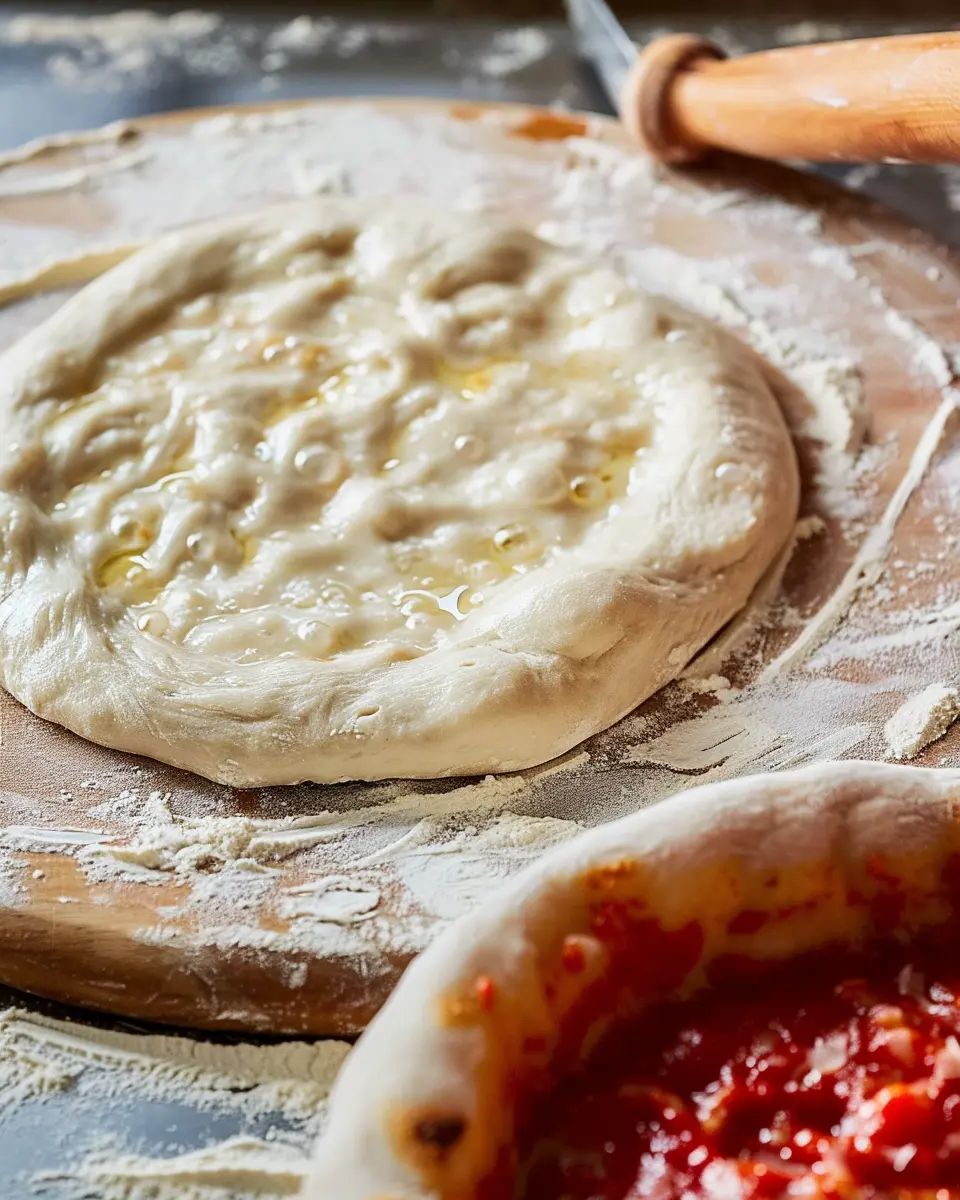
After the dough has risen, turn it out onto your floured surface again. Gently punch down the dough to release any air bubbles. Now, divide it into two equal parts if you’re planning to make two pizzas (or keep it whole for a thicker, shareable crust!).
Shape the dough into a ball and let it rest for an additional 30 minutes. This rest period helps relax the gluten, making it much easier to stretch into that perfect shape for your pizza.
And there you have it! With a little patience and practice, you’ll be ready to make a pizza that’s worthy of a restaurant menu. Next up, it’s time to add your toppings and bake! Enjoy this homemade journey of creating a pizza that truly satisfies!
Variations on Homemade Pizza Dough
Whole Wheat Pizza Dough
If you’re looking to add a healthier twist to your homemade pizza, consider using whole wheat pizza dough. It’s simple to make and packed with nutrients. Whole wheat flour gives a nutty flavor and boosts the fiber content, making your pizza not just delicious but also more satisfying. To create this variation, just substitute half of the all-purpose flour in your recipe with whole wheat flour. You might need to add a bit more water, so keep that in mind! According to the Whole Grains Council, incorporating whole grains into your diet can significantly improve heart health and digestion.
Gluten-Free Pizza Dough
For those who are gluten-sensitive or simply prefer gluten-free options, there’s a fantastic alternative! A gluten-free pizza dough is easily achievable with a blend of gluten-free flours like almond flour, rice flour, and tapioca starch. Many brands offer pre-made mixes that simplify the process, but why not try making your own? You’ll just need to add a binding agent like xanthan gum to give it that traditional dough texture. In a study published by the American Journal of Clinical Nutrition, increasing gluten-free options can support diverse dietary needs and preferences.
Herb-Infused Pizza Dough
Want to elevate your pizza experience? Try herb-infused pizza dough. Adding fresh or dried herbs like basil, oregano, or rosemary can impart incredible flavor that complements your toppings beautifully. For a simple twist, mix 2 tablespoons of your chosen herbs directly into the flour when preparing your dough. Imagine the delightful aroma wafting through your kitchen as it bakes! This small change makes a huge difference and shows that a gourmet pizza experience isn’t just for the pros.
Explore these dough variations to find your perfect slice, and don’t hesitate to experiment with your favorite flavors and ingredients!
Cooking Tips and Notes for Homemade Pizza Dough
Achieving the Perfect Crust
Crafting that ideal pizza dough is all about balance. Aim for the right flour type—bread flour works wonders due to its higher protein content, which gives you that chewy texture. When mixing, try to knead until the dough is smooth but elastic; it should spring back when poked. Don’t forget to let it rest—allowing it to rise for at least an hour gives the gluten time to develop, enhancing both texture and flavor.
Common Pitfalls to Avoid
Even seasoned cooks can stumble when making pizza dough. Here are a few common missteps:
- Skipping the measurements: A precise ratio of ingredients is key. Too much water will make the dough sticky, while too little will leave it dry.
- Overkneading: While it’s essential to knead, doing so for too long can toughen your dough. Aim for about 8-10 minutes.
- Not enough flour on the prep surface: This can result in an uncooperative dough that sticks. Use flour generously!
If you’re keen on learning more about the intricacies of dough-making, check out resources from Serious Eats or America’s Test Kitchen. Happy cooking!
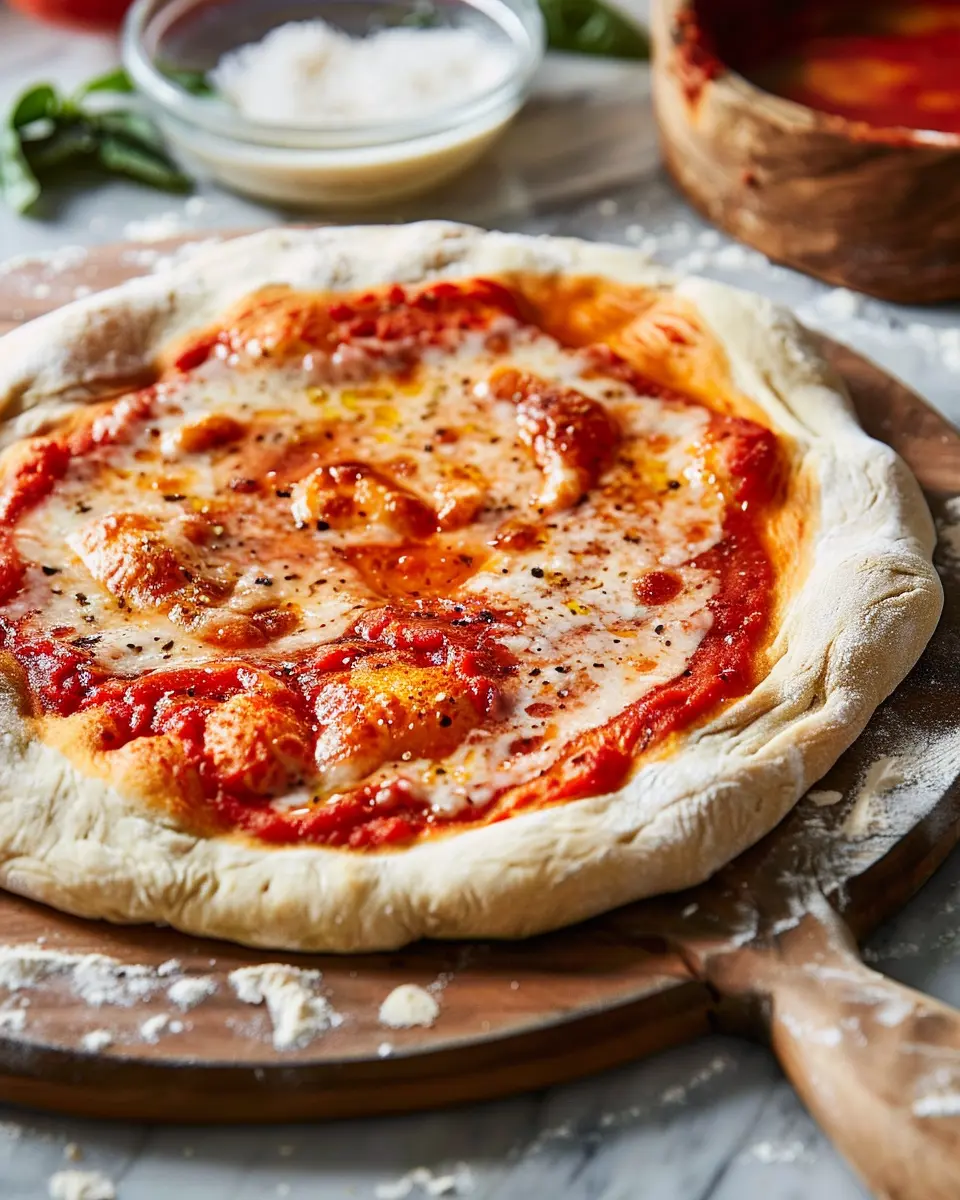
Serving Suggestions for Homemade Pizza Dough
Pairing Pizzas with Salads and Dips
What better way to elevate your homemade pizza dough creations than by pairing them with fresh salads and delightful dips? A vibrant arugula salad drizzled with balsamic vinaigrette makes an excellent accompaniment, providing a refreshing contrast to the warm, cheesy slices. For a fun twist, consider a creamy dipping sauce like garlic aioli or classic marinara to complement your pizza. Even a simple mix of olive oil and balsamic vinegar for dipping can be surprisingly delicious!
Creative Topping Combinations for a Delicious Meal
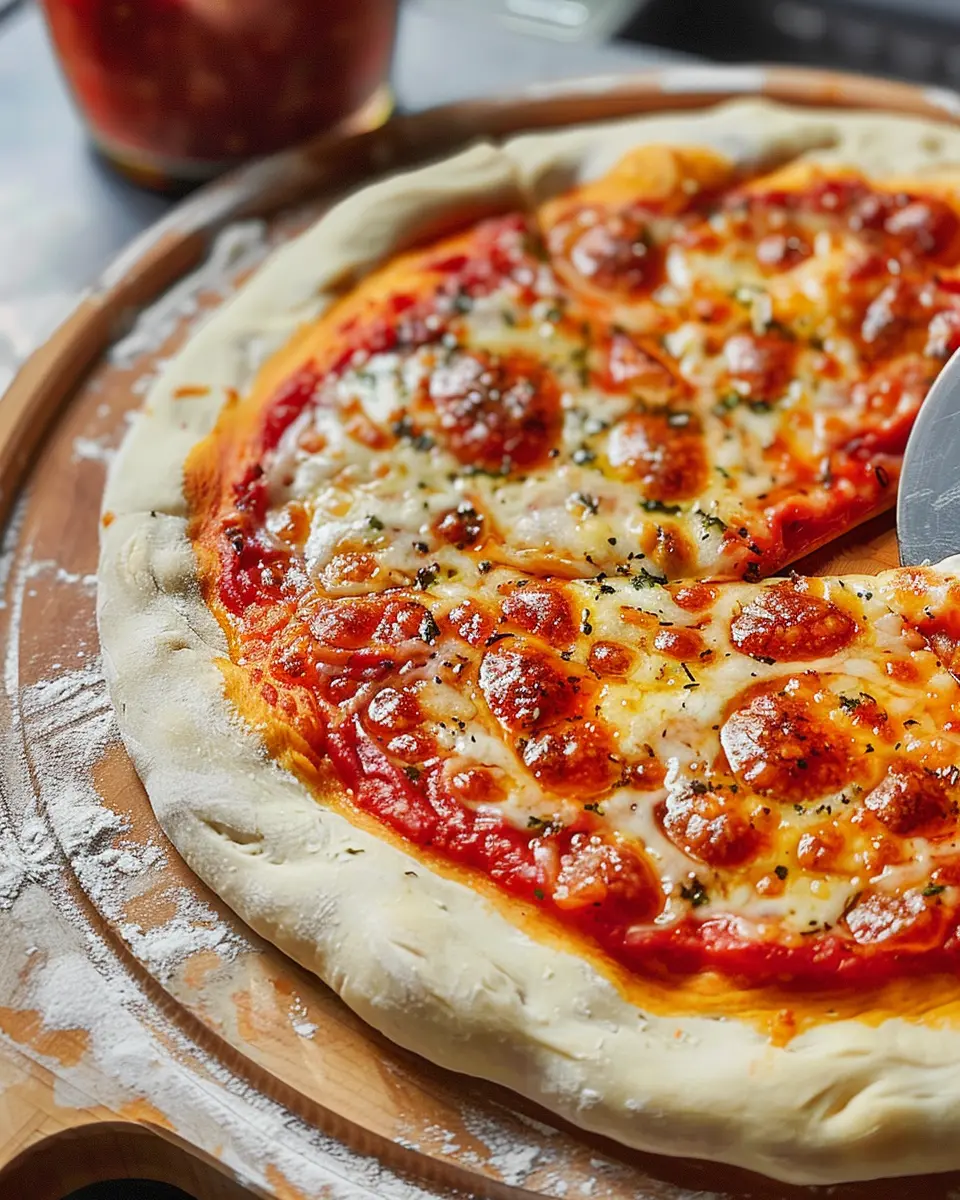
When it comes to topping your pizza dough, think outside the box! Instead of the usual pepperoni, try combos like:
- Spinach and feta for a Mediterranean flair
- Turkey bacon with caramelized onions for a savory touch
- Chicken ham and pineapple for a sweet and savory explosion
- Roasted vegetables with pesto for a healthy twist
The possibilities are endless! Don’t hesitate to experiment with your favorite ingredients to create a unique pizza that suits your taste buds. Remember, every pizza is your canvas! If you’re looking for inspiration, you might find this guide on creative pizza toppings helpful. Enjoy your pizza-making adventure!
Time Breakdown for Homemade Pizza Dough
Preparation Time
Making your pizza dough is simpler than you might think! You’ll need about 15-20 minutes to combine ingredients and knead it to the perfect consistency. I recommend using a stand mixer if you have one, as it saves time and effort.
Rising Time
After preparing, let your pizza dough rise for around 1-2 hours. This step is crucial; it gives the dough that delightful airy texture. If you’re short on time, a warm spot in your kitchen can speed things up a bit.
Total Time
In summary, you’re looking at roughly 1 hour and 30 minutes to 2 hours from start to finish, not including waiting time for your toppings. Why not prepare some delicious Chicken Ham or sautéed veggies while you wait? Remember, a little patience goes a long way in achieving that perfect homemade pie!
For more insights on dough rising tips, consider visiting sources like Serious Eats or King Arthur Baking.
Nutritional Facts for Homemade Pizza Dough
Caloric Content
When you whip up a batch of pizza dough, you’ll typically be looking at about 140-150 calories per serving, depending on the specific ingredients you use. This caloric content mainly comes from the flour and any added oils, making it essential to measure your ingredients appropriately for a healthier pizza experience. Did you know that by swapping out traditional flour for whole wheat, you can lower the calories while boosting fiber?
Important Nutrients
Homemade pizza dough offers a range of essential nutrients. Key nutrients include:
- Carbohydrates: Your primary energy source, vital for active lifestyles.
- Protein: Essential for muscle repair and overall health, especially if you add ingredients like turkey bacon or chicken ham as toppings.
- Fiber: Particularly if you opt for whole grain flour, which aids digestion and keeps you feeling full longer.
- B Vitamins: Important for energy metabolism and overall well-being.
For more nutrient insights, check out Healthline to explore how each element plays a role in your health journey.
Homemade pizza dough can be a delightful part of a balanced diet—especially when paired with fresh veggies and lean proteins!
FAQs about Homemade Pizza Dough
How can I make my pizza dough rise better?
Getting your pizza dough to rise perfectly is all about the ingredients and the environment. Here are a few tips to achieve that light and airy crust:
- Use Fresh Yeast: Always check the expiration date of your yeast. Fresh yeast ensures a good rise.
- Warm Water: When mixing your dough, use warm water (about 110°F or 43°C). Yeast thrives in warmth!
- Kneading: Don’t skimp on kneading your dough. This activates the gluten, which helps with structure and rise.
- Let it Rest: Patience is key! Allow your dough to rest in a warm place for at least an hour to double in size.
These tips can transform your pizza dough from mediocre to magnificent.
What is the best way to store leftover pizza dough?
If you’ve made more dough than you can use in one go, no worries! Storing leftover pizza dough is simple:
- In the Fridge: Wrap the dough tightly in plastic wrap or place it in a sealed container. It can last up to three days.
- Freezing: For longer storage, place the wrapped dough in an airtight container or freezer bag. It can last for up to three months. Just remember to let it thaw in the refrigerator overnight before using!
Can I prepare the dough in advance?
Absolutely! In fact, preparing your pizza dough in advance can enhance its flavor. Here’s how:
- Cold Fermentation: After mixing your dough, place it in the fridge instead of letting it rise at room temperature. This slow fermentation process can create a richer flavor.
- Timing: You can prepare the dough a day or two ahead of time. Just make sure to let it come to room temperature before you shape and bake it.
For more insights on dough preparation, you might want to check out this guide on cold fermentation techniques.
With these FAQs, you’re equipped to master your homemade pizza dough and impress your friends at your next pizza night!
Conclusion on Homemade Pizza Dough
Recap of Benefits and Encouragement to Try Making Dough at Home
In wrapping up our exploration of homemade pizza dough, it’s clear that crafting your own base is both rewarding and delicious. You gain complete control over the ingredients, ensuring a fresher, healthier option than store-bought alternatives. Plus, the satisfaction of pulling a fragrant, golden-brown pizza from the oven is unmatched.
Don’t hesitate to experiment with different flours, toppings, and techniques—creating your ideal pie is a fun culinary adventure! If you’re new to this, remember, practice makes perfect. Check out resources like Serious Eats for tips on perfecting your dough. So gather your ingredients and get rolling; you’ve got this!
PrintPizza Dough Perfection: Easy Recipe for Ultimate Homemade Pies

Discover the secret to making perfect pizza dough at home with this easy recipe that guarantees delicious homemade pies!
- Prep Time: 15 minutes
- Cook Time: 15 minutes
- Total Time: 2 hours 30 minutes
- Yield: 2 large pizzas
- Category: Italian
- Method: Baking
- Cuisine: Italian
Ingredients
- 4 cups all-purpose flour
- 1 teaspoon salt
- 1 teaspoon sugar
- 2 teaspoons active dry yeast
- 1 1/2 cups warm water
- 2 tablespoons olive oil
Instructions
- In a bowl, mix warm water, sugar, and yeast. Let it sit for 5-10 minutes until foamy.
- In a large mixing bowl, combine flour and salt.
- Make a well in the center and add the yeast mixture and olive oil.
- Mix until a dough forms, then knead on a floured surface for about 10 minutes.
- Place in a greased bowl, cover, and let rise for 1-2 hours until doubled.
- Punch down the dough, then roll out to desired thickness and shape.
- Add toppings, and bake in a preheated oven at 475°F (245°C) for 12-15 minutes.
Notes
- For a crispier crust, bake on a pizza stone.
- Experiment with different flours for varying textures.
Nutrition
- Serving Size: 1 slice
- Calories: 210
- Sugar: 1g
- Sodium: 400mg
- Fat: 4g
- Saturated Fat: 0.5g
- Unsaturated Fat: 2g
- Trans Fat: 0g
- Carbohydrates: 38g
- Fiber: 2g
- Protein: 7g
- Cholesterol: 0mg