




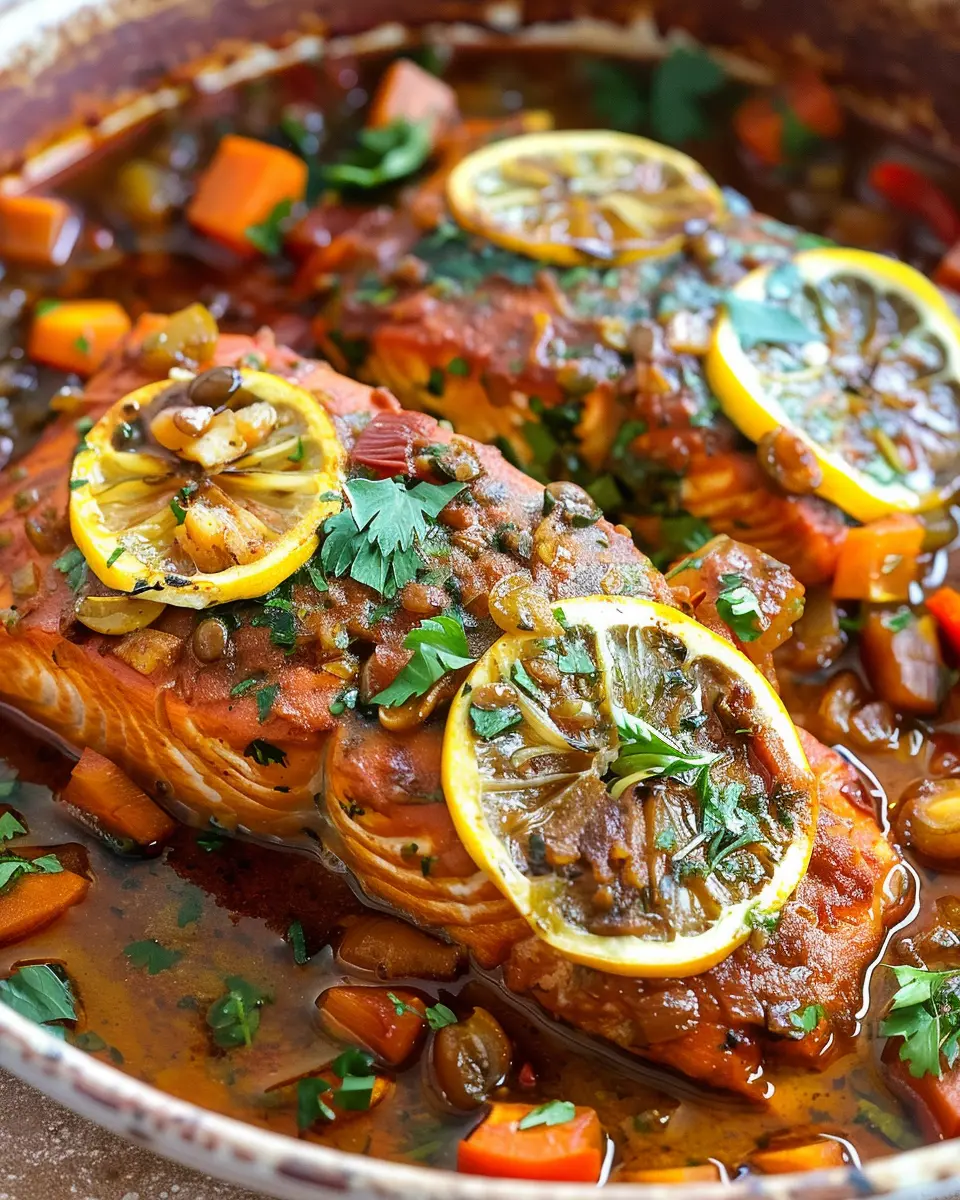
Introduction to Moroccan Fish
A taste of North Africa right in your kitchen
If you’re looking to elevate your weeknight dinner routine, Moroccan fish is the perfect dish to transport your taste buds to the vibrant streets of North Africa. Known for its rich spices and colorful presentation, this dish combines elements of Mediterranean and Arabic culinary traditions, resulting in a truly unique flavor profile. With spices like cumin, coriander, and saffron, Moroccan fish is not just a meal; it’s an experience.
When you dive into Moroccan cuisine, you’ll find that it’s all about layering flavors. Each ingredient plays a crucial role, whether it’s the fresh fish, the aromatic spices, or the complementing sides like couscous or roasted vegetables. The beauty of making Moroccan fish at home is that you can customize the spices and sides to suit your taste. You may want to explore Spiceology for great spice blends specifically for creating authentic Moroccan flavors.
While many of us might think of tagines when we hear Moroccan foods, fish dishes have been a staple for centuries. Coastal cities like Essaouira serve up fresh catch daily, and the use of spice varieties makes each dish unique. For an interesting read on Moroccan fishing traditions and their culinary significance, check out Atlas Obscura for a deeper dive into this culinary heritage.
One of the best parts about preparing Moroccan fish is it’s a healthful alternative to your typical fried seafood options. Packed with protein, omega-3 fatty acids, and an array of vitamins from the spices and vegetables, it serves as both a nutritious and flavorful dinner option. Did you know that incorporating fish into your diet can improve heart health and cognitive function? It’s a win-win for your taste buds and overall well-being.
So, gather your spices, invite your friends, and get ready to impress with this delightful dish. Moroccan fish is simple to prepare but brings a taste of adventure to your dinner table, ensuring that your culinary explorations don’t just stop at the ordinary. Get ready to cook up some magic right in your kitchen!

Ingredients for Moroccan Fish
Essential components for a flavorful dish
When preparing Moroccan fish, the key is to embrace the aromatic spices that define this vibrant cuisine. Here are the essentials you’ll need:
- Fresh Fish: Choose firm white fish like cod, haddock, or snapper for the best texture.
- Spices: A blend of cumin, paprika, and turmeric is vital for that warm depth of flavor. Don’t forget a hint of cinnamon for a touch of sweetness.
- Cilantro and Parsley: Fresh herbs are non-negotiable; they brighten up the dish and enhance its complexity.
- Tomatoes: Either fresh or canned, providing a succulent base for the sauce.
Optional ingredients for added texture
To take your Moroccan fish to the next level, consider adding these optional elements:
- Olives: They add a briny contrast that beautifully complements the spices.
- Lemon Zest: A dash of citrus elevates the dish and balances the flavors.
- Chickpeas: These not only provide protein but also offer an appealing bite.
Ready to explore the rich tapestry of Moroccan cuisine? Check out resources like Moroccan Cooking for more insights and inspiration!
Preparing Moroccan Fish
Creating a delicious Moroccan fish dish is an enchanting experience that transports you to the vibrant streets of Morocco, overflowing with spices and rich flavors. Let’s walk through the preparation process step-by-step to ensure your culinary journey is as smooth as the Atlantic waves. You’ll impress friends and family alike with this flavorful dish!
Prep the Fresh Ingredients
The key to a mouthwatering Moroccan fish dish lies in using the freshest ingredients available. Start by gathering:
- 2 fillets of firm white fish (like cod or haddock)
- 1 onion, finely chopped
- 2 cloves of garlic, minced
- 1 bell pepper, diced
- 1 medium tomato, chopped
- Fresh cilantro and parsley, chopped
- 1 lemon (for juice and zest)
Make sure to rinse your fish fillets gently under cold running water and pat them dry with a paper towel. By preparing the ingredients beforehand, you’ll not only stay organized, but you’ll also savor the rich aromas that fill your kitchen as you cook.
Start with the Sauté Base
In a large skillet, you’ll want to heat 2 tablespoons of olive oil over medium heat. Toss in the chopped onion and bell pepper, sautéing them until they are softened—about 5 minutes. The colors alone will liven up your kitchen! Add in the minced garlic and stir everything together, letting it cook for another minute until you can smell that delightful garlic aroma wafting through the air.
As you reach this stage, remember nothing compares to the tactile joy of stirring fresh ingredients and watching them transform. If you want to learn more about sautéing techniques, check out this cooking guide for tips on vegetable sautéing.
Blend in the Spices
No Moroccan fish dish is complete without a vibrant blend of spices. Now, it’s time to add the magic! Sprinkle in:
- 1 teaspoon of ground cumin
- 1 teaspoon of paprika
- ½ teaspoon of ground turmeric
- Salt and pepper to taste
After adding the spices, mix well until they are fully incorporated and you can see the colors meld together. The combination of spices will take your taste buds on a journey to Morocco. For additional inspiration, consider exploring traditional spice mixes like ras el hanout, which can elevate your Moroccan fish experience even further.
Add the Fish and Simmer
Once the base is aromatic and colorful, it’s time to introduce the star of the show, your fish fillets. Place them gently into the skillet, coating them with the sautéed mixture. Pour in 1 cup of vegetable broth, and then sprinkle the chopped tomatoes over the top.
Cover the skillet and let it simmer on low heat for about 10-15 minutes. It’s fascinating to see how the fish absorbs the spices while cooking. You can tell it’s ready when the fish is opaque and flakes easily with a fork.
Final Touches Before Serving
As you approach the finish line, squeeze the juice of half a lemon over the fish and garnish with fresh cilantro and parsley. These fresh ingredients not only enhance the presentation but also pack a zesty punch.
Serve your Moroccan fish on a bed of fluffy couscous or with warm crusty bread to soak up those flavorful juices. A drizzle of olive oil over the top adds a touch of richness. Don’t be afraid to compare your dish to those handmade creations you see at Moroccan markets. After all, cooking is about celebrating art and culture.
Enjoy every moment of sharing this delightful meal with friends and family, and don’t forget that the best part of cooking is the joy of togetherness. A well-prepared Moroccan fish dish is sure to become a favorite that you’ll want to make again and again!
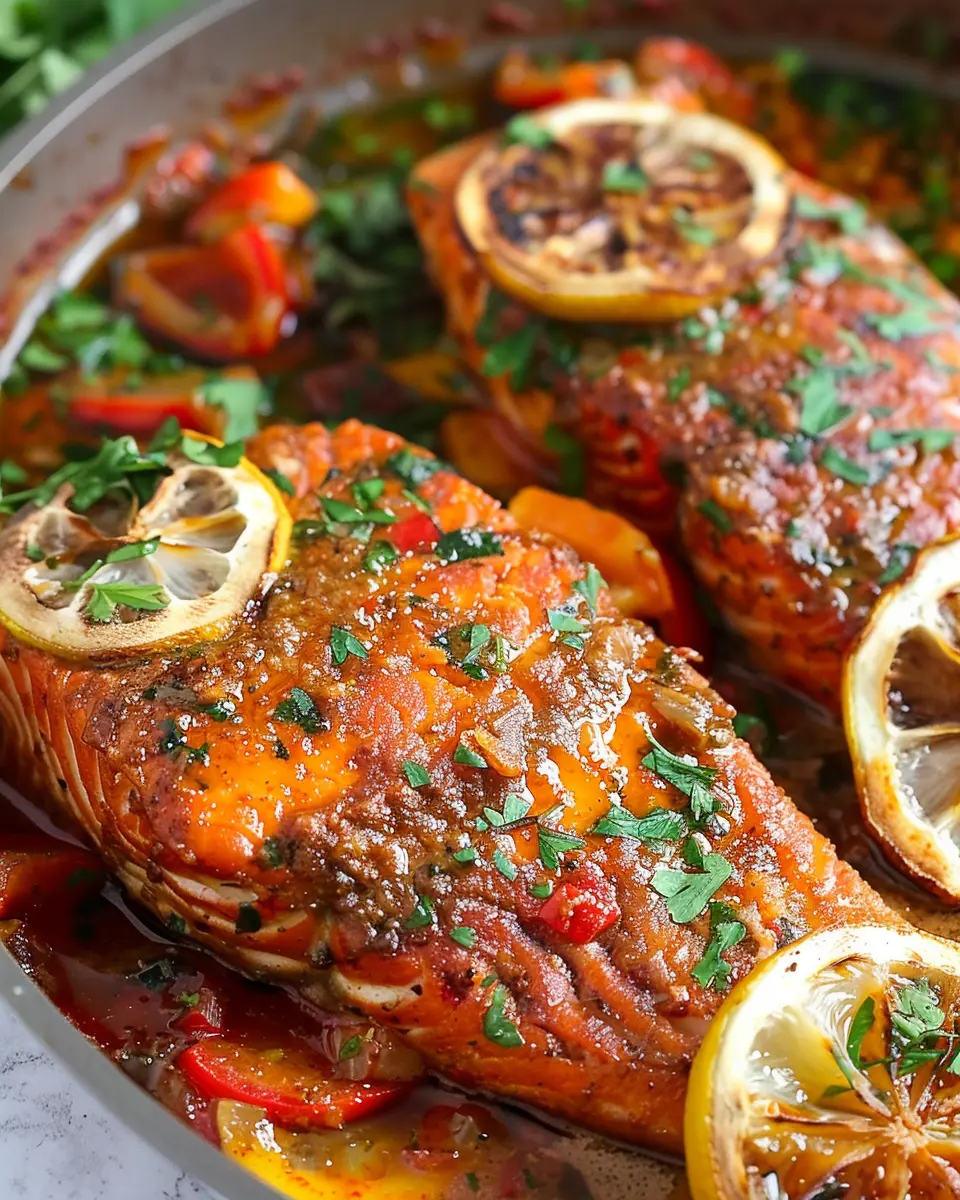
Variations on Moroccan Fish
When it comes to Moroccan fish, there’s no one-size-fits-all. Depending on where you live and what you enjoy, the choice of fish can greatly influence your dish. Consider trying different types of fish such as:
- Snapper: Its firm texture holds up beautifully after marinating with spices.
- Cod: This mild fish absorbs flavors well, making it an excellent choice for those who might be new to bold spices.
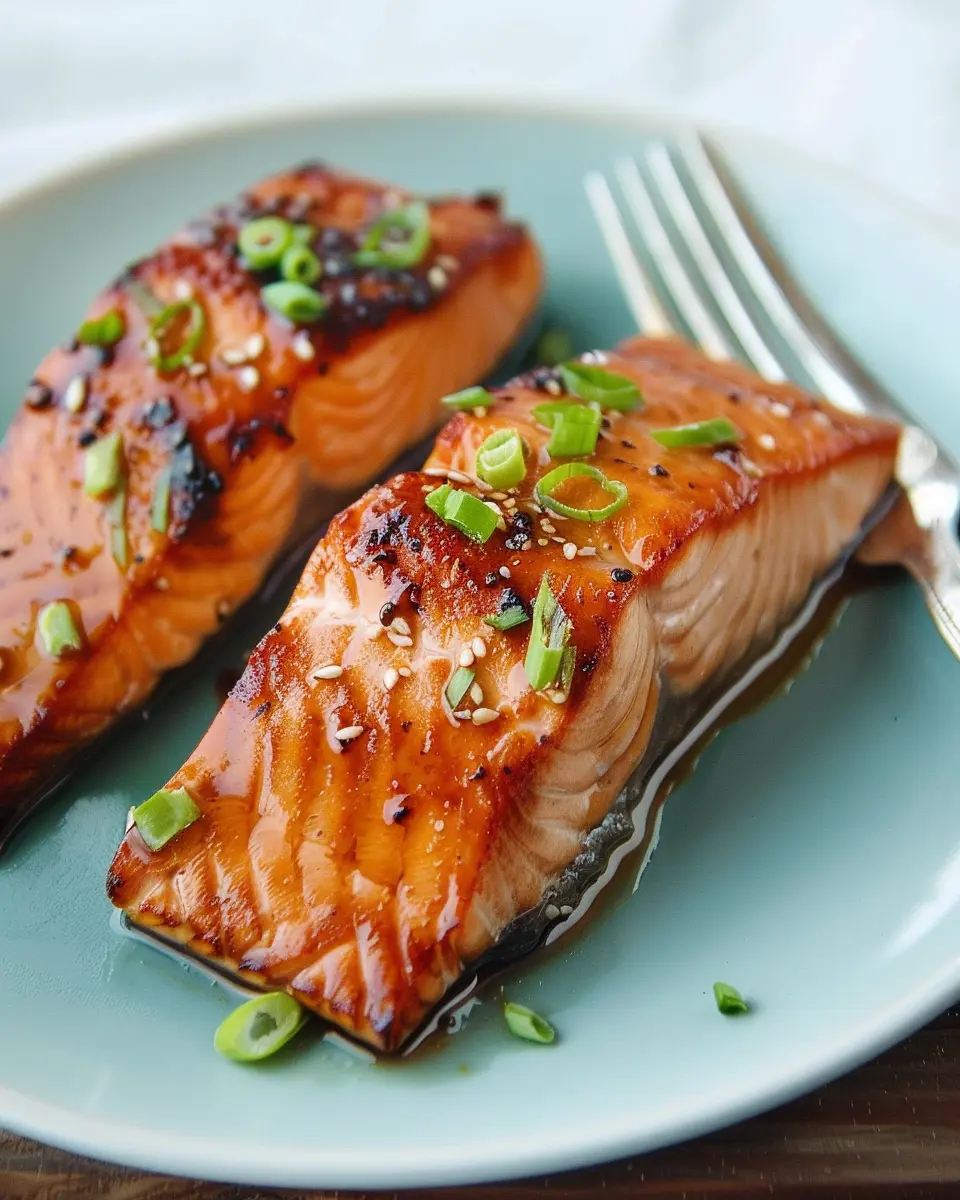
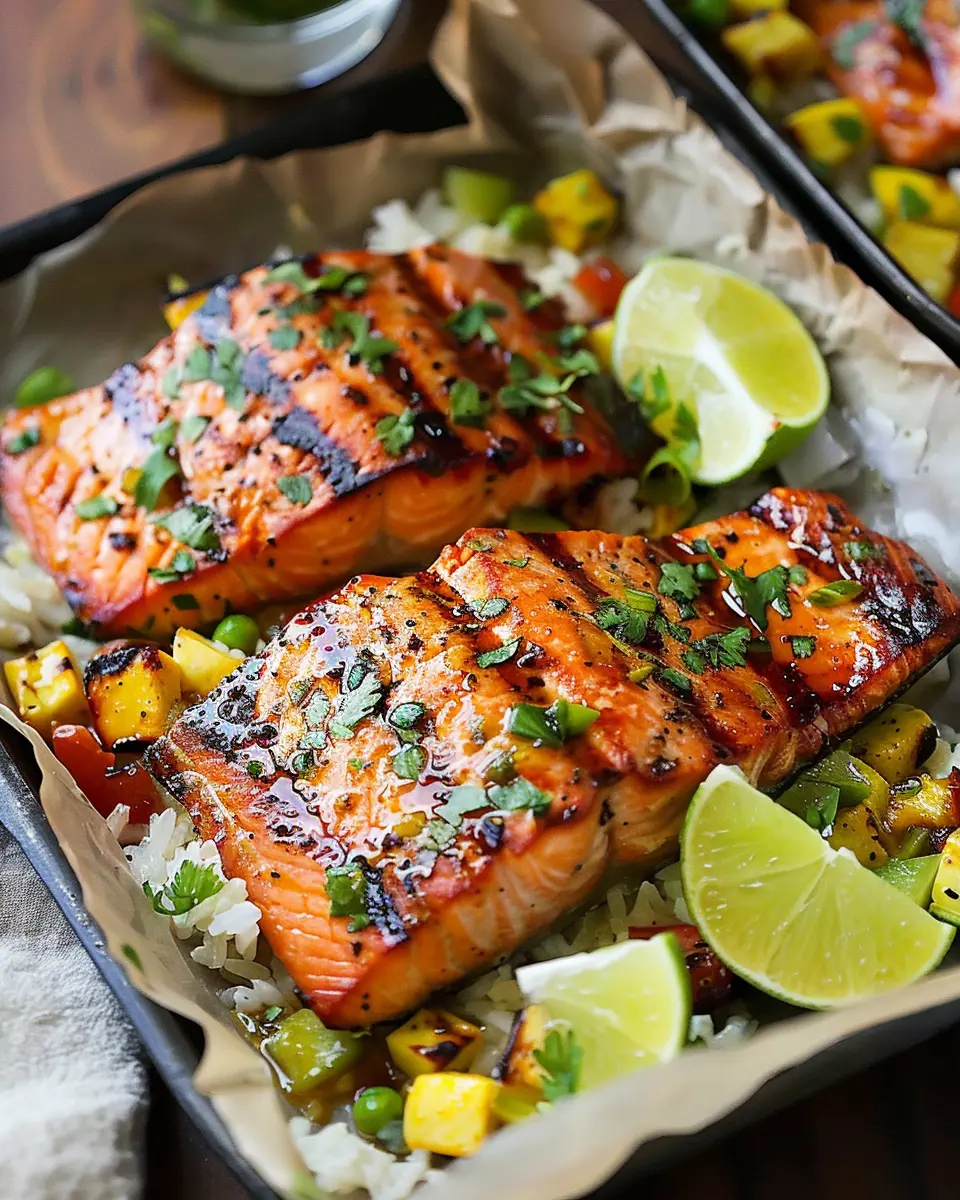
- Salmon: Known for its rich and buttery flavor, salmon can add a unique twist to this classic dish.
Feeling adventurous? Check out more on different species of fish to add complexity to your palate.
If you’re looking to make this recipe vegetarian-friendly, you can explore delightful vegetable alternatives. While maintaining the essence of Moroccan fish, these options can surprise your taste buds:
- Eggplant: Slice and grill, then season with Moroccan spices for a smoky flavor.
- Zucchini: Its mild taste pairs well with the bold harissa sauce and spices.
- Chickpeas: Packed with protein, they can serve as a hearty base, absorbing all the wonderful seasoning.
Why not give these variations a try? Transforming a traditional Moroccan fish dish into something uniquely yours doesn’t have to be daunting. Add your favorite grains like couscous or quinoa to round out the meal, and you’ll have a delightful twist that’s sure to impress.
For more on flavorful spices and techniques, check out this comprehensive guide from The Spice House. Happy cooking!
Cooking notes and tips for Moroccan Fish
Ensuring the perfect texture
Achieving the ideal texture for your Moroccan fish is all about cooking it just right. Start by selecting fresh fish with firm flesh, such as snapper or cod. When cooking, consider steaming or baking to lock in moisture and tenderness. If you’re grilling, keep an eye on the internal temperature; overcooking can lead to dryness. A reliable tip is to use a meat thermometer—when it reaches 145°F (63°C), you’re good to go!
Spice adjustments to suit your palate
Moroccan cuisine is vibrant and aromatic, thanks to its unique spice blends. If you’re sensitive to heat, start with a small amount of cayenne or harissa, and gradually increase as you get comfortable. You can also substitute spices like cumin or coriander with your favorites for a personalized touch. Don’t hesitate to experiment! Not sure where to start? Check out resources on spice pairing here for inspiration and guidance.
Cooking your Moroccan fish with these tips in mind will surely elevate your dish and impress your dinner guests!
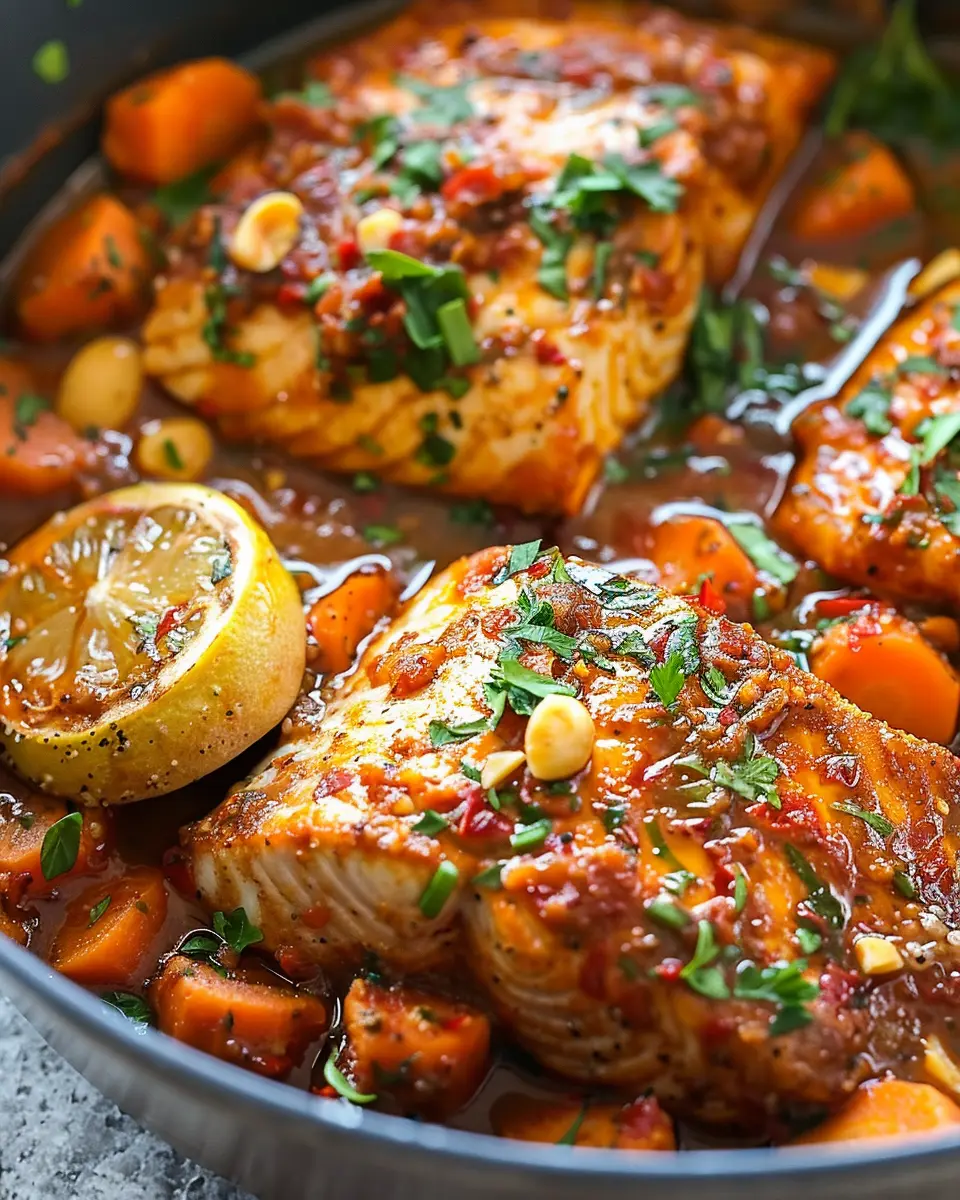
Serving suggestions for Moroccan Fish
Pairing with grains and sides
When it comes to enjoying your Moroccan fish, consider pairing it with vibrant grains like fluffy couscous or fragrant quinoa. These grains perfectly soak up the bold flavors of the spices used in the dish. For a heartier option, try serving it alongside a warm pilaf made with toasted nuts and dried fruits.
Don’t forget your vegetables! Steamed or roasted bell peppers and zucchini can add more color and crunch to your plate, balancing the meal beautifully.
Garnishing ideas for a stunning presentation
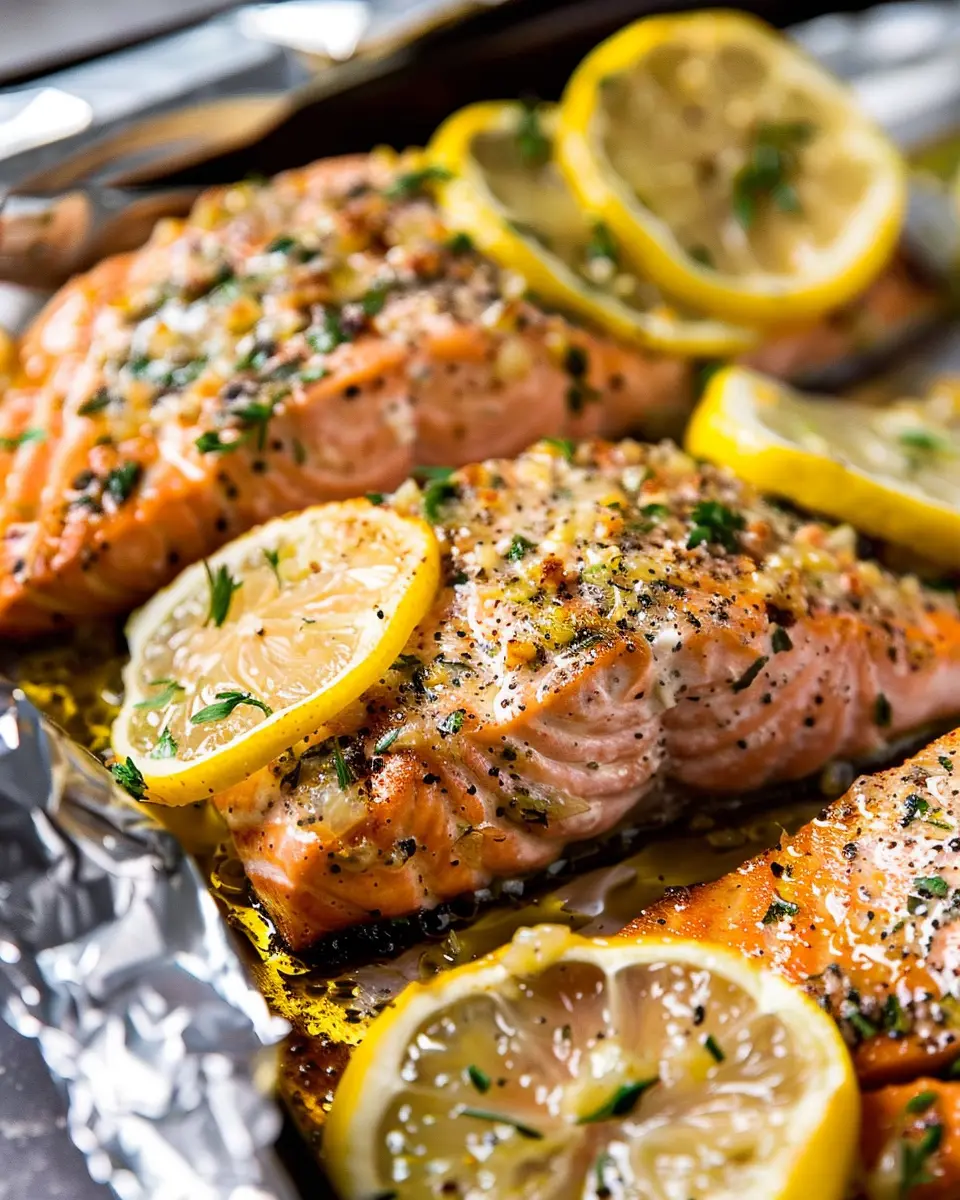
A little goes a long way when it comes to garnishing your Moroccan fish. Fresh herbs, such as cilantro or parsley, not only enhance the visual appeal but also add a burst of flavor. You might also consider a sprinkle of sliced almonds or a drizzle of olive oil to elevate the dish’s presentation and taste.
For an added touch, serve with lemon wedges, encouraging a zesty squeeze right before diving into this delightful meal. If you’re looking for more ideas, check out this garden-fresh garnish guide for inspiration!
Time details for Moroccan Fish
Preparation time
Getting your ingredients ready for Moroccan fish is a breeze and should take about 15 to 20 minutes. During this time, chop your vegetables, measure out the spices, and prep your fish. Don’t forget to check your pantry for essentials like olive oil, garlic, and fresh herbs!
Cooking time
Once you’re prepped, the actual cooking process for Moroccan fish is fairly quick. Allow yourself around 25 to 30 minutes for grilling or baking. The fragrance that fills your kitchen will make the wait worthwhile!
Total time
In total, you’re looking at about 40 to 50 minutes from start to finish. This simple yet flavorful dish is well worth the time investment. Perfect for a weekday dinner or when you’re entertaining friends! If you’re curious about side dishes that pair well, consider reading about Moroccan couscous or simple salads on BBC Good Food, which complements the flavors beautifully.
Remember, this dish is all about enjoying the process, so take your time and savor each step!
Nutritional Information for Moroccan Fish
Overview of Key Nutrients
When it comes to Moroccan fish, you’re not just savoring a delightful meal; you’re also treating your body to a wealth of nutrients. This dish is typically rich in omega-3 fatty acids, which are essential for heart and brain health. It also offers a solid source of protein, crucial for muscle repair and overall wellness. Additionally, the vibrant spices used in Moroccan cuisine, such as cumin and coriander, are packed with antioxidants that can boost your immune system.
Caloric Content
A typical serving of Moroccan fish may contain around 300-400 calories, depending largely on the recipe and the cooking methods used. This calorie range makes it a balanced choice for those looking to maintain a healthy diet. It’s filling yet light, allowing you to enjoy flavors without feeling weighed down. Pair it with whole grains or a refreshing salad for a well-rounded meal.
For more insights into the health benefits of fish and how to include it in your diet, check out resources like the American Heart Association or Harvard Health.
FAQs about Moroccan Fish
What type of fish is best for this recipe?
When it comes to making Moroccan fish, it’s all about choosing the right type of fish for the best flavor and texture. Typically, white, flaky fish like cod, halibut, or snapper work wonderfully. These fish absorb the aromatic spices and ingredients beautifully, enhancing the overall experience of this dish. If you’re feeling adventurous, you might even try using salmon for a richer taste! Just make sure whatever fish you choose is fresh; that’s key.
How can I store leftovers?
If you have any left over after devouring your Moroccan fish, storing it properly is essential for maintaining flavor and freshness. Place your leftovers in an airtight container and refrigerate them within two hours of cooking. They’ll keep well for about 2 to 3 days. When you’re ready to enjoy them again, simply reheat your fish in the oven or on the stovetop until it’s warmed through. Avoid micronuking it in a hurry, as this can make the fish rubbery.
Can I make this dish ahead of time?
Absolutely! One of the great things about Moroccan fish is that it can be prepped in advance. You can marinate the fish and prepare the sauce a day earlier. Just store everything separately in the refrigerator. When it’s time to serve, you’ll have less cooking to do, which makes it perfect for entertaining guests or a hectic weeknight. For serving suggestions, consider pairing it with a fresh salad or couscous for a delightful meal.
Feel free to reach out if you have more questions or check out resources like Serious Eats for additional insights!
Conclusion on Moroccan Fish
Embracing the flavors of Morocco in your home cooking
As you dive into the vibrant world of Moroccan fish, you’re not just preparing a meal; you’re creating an experience. This recipe invites you to embrace a range of spices, fresh ingredients, and cooking techniques that reflect Morocco’s rich culinary heritage. Using ingredients like cumin, paprika, and cilantro, you’ll infuse your kitchen with bold flavors that tantalize the senses.
Why not enjoy this dish by pairing it with fluffy couscous or a refreshing salad? And for added inspiration, explore other Moroccan classics like tagine or harira. Cooking this delightful meal not only expands your palate but also transports you to the heart of Morocco. So gather your spices, and let’s celebrate the journey of flavors right in your home!
PrintMoroccan Fish: Easy Recipe for a Flavorful Dinner Delight

This Moroccan Fish recipe brings bold flavors and is easy to prepare for a delightful dinner.
- Prep Time: 10 minutes
- Cook Time: 20 minutes
- Total Time: 30 minutes
- Yield: 4 servings
- Category: Dinner
- Method: Baking
- Cuisine: Moroccan
- Diet: Gluten Free
Ingredients
- 4 fillets white fish
- 2 tablespoons olive oil
- 1 teaspoon paprika
- 1 teaspoon cumin
- 1 teaspoon coriander
- 1 lemon, juiced
- 2 cloves garlic, minced
- salt to taste
- pepper to taste
Instructions
- Preheat your oven to 400°F (200°C).
- In a bowl, mix olive oil, paprika, cumin, coriander, lemon juice, garlic, salt, and pepper.
- Coat the fish fillets in the spice mixture.
- Place the fish in a baking dish and bake for 15-20 minutes, or until fish flakes easily with a fork.
- Serve hot, garnished with fresh herbs if desired.
Notes
- For extra flavor, marinate the fish in the spice mixture for an hour before baking.
- Serve with a side of couscous or salad.
Nutrition
- Serving Size: 1 fillet
- Calories: 250
- Sugar: 1g
- Sodium: 150mg
- Fat: 10g
- Saturated Fat: 1.5g
- Unsaturated Fat: 8g
- Trans Fat: 0g
- Carbohydrates: 2g
- Fiber: 0g
- Protein: 30g
- Cholesterol: 60mg